Highlight

Successful together – our valantic Team.
Meet the people who bring passion and accountability to driving success at valantic.
Get to know usData Warehouse | Planning | Reporting
The transfer of tasks to Belgian communities posed challenges for traditional planning tools. Working with valantic, the Ministry of the German-speaking Community has developed a digitalization strategy to make budgetary and financial planning more efficient and transparent. Digitalization improves planning and forecasting, shortens reporting cycles, increases transparency, optimizes resource allocation, and significantly reduces manual effort.
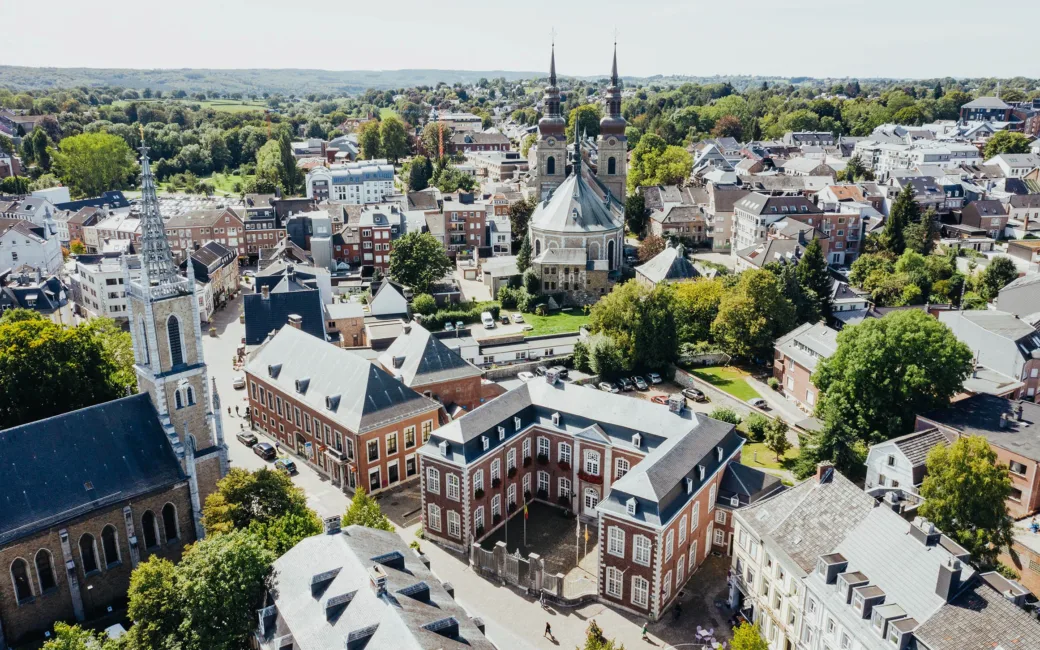
Belgium, with a total population of about 11.5 million, is divided into three member states: the Dutch-speaking Flemish region, which makes up roughly 60% of the population; the French-speaking region; and the German-speaking community in the eastern part of the country. In eastern Belgium, approximately 80,000 residents live in nine municipalities. The German-speaking Community of Eastern Belgium has a total budget of around EUR 744 million.
During the sixth state reform, many additional powers were transferred from the federal government to the individual regions and communities. The German-speaking community is not only responsible for budget and financial planning but also for culture, social affairs, family, and the elderly, for example. Other areas for planning projects include education, digitalization, recruiting skilled workers, and improving services for citizens. Citizens, advisory experts, and various organizations are actively involved in developing the new concept “East Belgium Living 2040.”
Challenge
The transfer of tasks and powers to the communities and regions in Belgium created challenges for traditional planning and reporting methods. The Ministry of the German-speaking Community aimed to improve efficiency through digitalization, enabling transparent and digitized budgetary and financial planning.
Consulting approach
Working with valantic, the Ministry has developed a digitalization strategy and modernized processes to increase transparency and efficiency and to realize the vision of “East Belgium Living 2040.”
Customer benefits and solution
With valantic’s digitalization, the German-speaking community has enhanced planning, forecasting, and simulation; shortened reporting cycles; boosted transparency and efficiency; optimized resource use; and greatly decreased manual effort.

Oliver Paasch
Prime Minister of Eastern Belgium
”valantic's solutions enable the Ministry to perform its tasks transparently and efficiently, using available data, and for the benefit of the citizens.“

A transparent, digitalized budget and financial planning for the German-speaking Community of Eastern Belgium.
In recent years, the Kingdom of Belgium has delegated more tasks and powers to its communities and regions. Traditional planning and reporting tools could no longer meet the growing demands. The goal of the Ministry of the German-speaking Community was to enhance the development of Eastern Belgium more effectively by digitalizing administrative tasks.
valantic’s consultants started in 2010 with a reporting and planning application for the finance department. Over the years, more responsibilities have been transferred to the Ministry of the German-speaking Community, and technical support has been expanded. Today, in addition to the finance, budget, and controlling departments, Valantic supports a total of nine specialized departments and the three municipalities of Eupen, Raeren, and Lontzen, serving around 450 users.
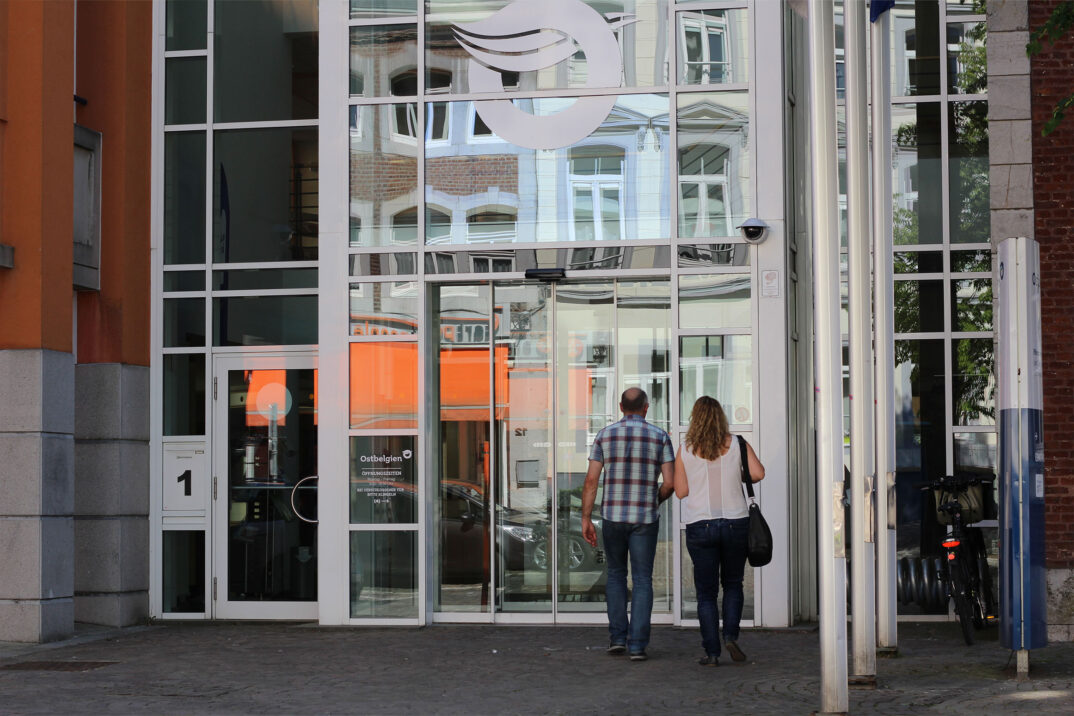
The main topics at a glance include: budget planning, budget implementation, infrastructure planning for external services, financial monitoring, residential and care homes for the elderly, the regional development concept and ongoing work program, simulation of teaching salaries, (financial) monitoring of teaching projects, planning of child benefits, control of European Social Funds, subsidy of the socio-cultural sector, development of a personnel registry for the non-profit sector, integration of municipalities, development of multi-year planning, and the development of liquidity planning.
Administrative applications at a glance

Technical solutions in use

René Miribung
Head of Finance and Head of Budget and Controlling of Eastern Belgium
”valantic's web-based financial monitor provides all citizens of Eastern Belgium with transparent and accessible budget planning and up-to-date financial information on a daily basis.“
More accurate planning, forecasting, and simulation based on current data
Shorter reporting cycles (quarterly instead of annual)
Much greater transparency and efficiency throughout the budgetary and financial planning process
More precise allocation of resources with high added value for the citizens of Eastern Belgium
Process optimization and drastically reduced manual effort for the Ministry, municipalities, and specialist groups
Better decision-making thanks to detailed analysis and real-time data
Eastern Belgium is shaping the digital administration of tomorrow
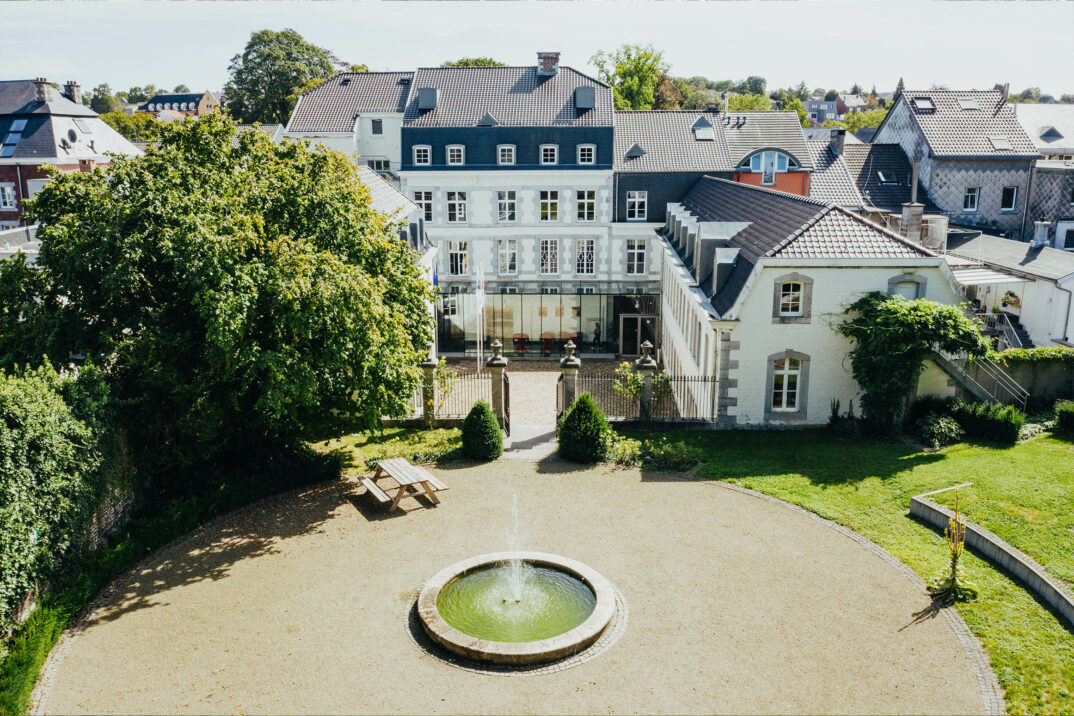
During the sixth state reform, the Federal State of Belgium delegated many tasks and powers to individual communities. The detailed and diverse vision of “East Belgium Living 2040” acts as a guiding political principle.
This gave the German-speaking community the freedom, but also the responsibility, to administer its own budget and financial planning, as well as to allocate resources for many social and cultural projects. The previous planning tools and processes could no longer handle the new tasks, and they were no longer state-of-the-art.

The Ministry of the German-speaking Community therefore decided to press ahead with the digitalization of all administrative processes and to use financial resources more efficiently and transparently to create as much added value and quality of life as possible for its citizens.
Initially, it all began quite simply: valantic’s consultants joined the project in 2010 and were the first to develop a reporting and planning application for the finance department; this project was very successful. It quickly became apparent to all stakeholders: The future of East Belgium depends on digitalization. Today, along with the finance, budget, and controlling departments, valantic supports a total of nine departments and three municipalities with approximately 450 users.
Financial Monitor provides transparency
Planning and strategy discussions focus on education, teaching, youth, inclusion, care, funding for social and cultural projects, recruiting skilled workers, and improving citizen services. valantic has created a web-based financial monitor that offers transparent, freely accessible information on the current budget, financial planning, and budget implementation for all residents of Eastern Belgium.
Housing and care homes for senior citizens
There are many questions to consider to ensure the best care and support for senior citizens. Which retirement homes have vacancies, and which have waiting lists? How many caregivers does each facility have, and who will retire when? Are all the funds being used effectively and appropriately?
Previously, institutions sent an Excel spreadsheet to decision-makers at the Ministry and to specialist departments at the end of each year. Now, data is collected quarterly and stored in a central data warehouse, including details about residents, staff statistics, and personnel cost simulations. The Ministry’s administration can access up-to-date summaries instantly, enabling more accurate planning and data-driven decisions. Moreover, the homes gain valuable insights through these reports—information that was previously inaccessible to them.
Teaching, schools, and education
Personnel planning and cost trends, including different salary rates, are based on complex calculations. This is partly because the school year does not align with the Ministry’s fiscal year. How many teachers work how many hours at each institution? Who is planning to retire soon? How many teachers are hired temporarily, are exempted during the summer, and therefore do not appear in summer statistics at all?
To plan for the next school year, Excel spreadsheets with up to 20 documents were previously printed and manually reviewed. The Ministry received applications by mail, phone, or post. Now, just a few mouse clicks are enough to analyze the centrally stored data and make planning more secure and reliable. valantic’s analysis and planning solution has greatly reduced manual effort and process times.
Expenses for child benefits
valantic-designed models simulate population growth over the medium and long term, enabling informed predictions about future costs of child benefits. These include annual lump sums for families, birth bonuses, and expenses for children with special needs.
These are just a few examples of many projects. valantic’s digitalization solutions allow the Ministry of the German-speaking Community to perform its tasks transparently, efficiently, and in a data-driven manner, for the overall benefit of citizens. More projects will be launched soon, including liquidity planning, establishing personnel controlling, and creating a planning model in the personnel sector to improve social professions.
valantic provides end-to-end solutions, from data warehouse architecture to reporting, dashboarding, and detailed planning and budgeting. valantic’s experts ensure that all components integrate smoothly and the intended value is achieved in practice.

Download the case study "Digitalization as a growth engine – valantic leads East Belgium into the future of digital administration"
Working with valantic, the Ministry of the German-speaking Community has developed a digitalization strategy to make budgetary and financial planning more efficient and transparent. Discover the full success story here!