Highlight

Successful together – our valantic Team.
Meet the people who bring passion and accountability to driving success at valantic.
Get to know usIntelligence in Motion
Modern robotics solutions automate industrial processes, increase efficiency, and improve quality across the entire value chain. Thanks to advances in artificial intelligence, sensor technology, and autonomous navigation, robots can now respond flexibly to new requirements and increasingly collaborate safely with humans.
This creates more productive and resilient processes, while employees are relieved of physically demanding, repetitive, or monotonous tasks.

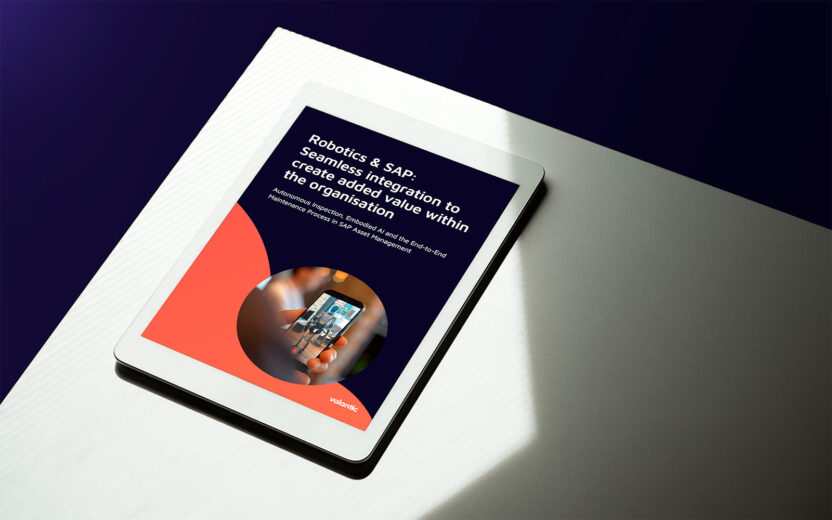
White paper: Robotics & SAP | Seamless integration to create added value within the organisation
Find out in our white paper how robotics, embodied AI and SAP are redefining maintenance.
Robotics is no longer merely a “production tool”; it has become a central component of modern, data-driven, and scalable business models, addressing several strategic challenges at once:
A key driver is the automation of repetitive or physically demanding tasks. Industrial robots can operate around the clock without breaks while delivering highly consistent performance. Companies such as ANYbotics have developed specialized systems for precisely this purpose, enabling significantly higher efficiency in production than manual processes alone.
Another important factor is the skills shortage, particularly in industrialized countries such as Germany. Many companies are no longer able to find enough workers for simple but time-consuming tasks. Robots take over these tasks and relieve employees, allowing them to focus on more complex, creative, or supervisory activities.
Robotics also increases quality and precision. In areas such as electronics manufacturing, automotive production, or medical technology, even the smallest deviations can be critical. Robots work with a high level of repeatability, reducing error rates and minimizing waste. This directly leads to lower costs and higher customer satisfaction.
Another driver of innovation is the integration of AI and sensor technology. Modern robotic systems are no longer merely “rigidly programmed”; they can perceive their environment, learn, and respond flexibly. This opens up entirely new applications, for example in logistics, collaborative robotics, and autonomous production lines.
Last but not least, robotics gives companies a clear competitive advantage. Those who produce faster, more cost-effectively, and more reliably can serve markets more effectively and scale innovations more quickly. This is why companies such as Siemens are investing heavily in digital factories and robot-supported production systems to further expand this advantage.
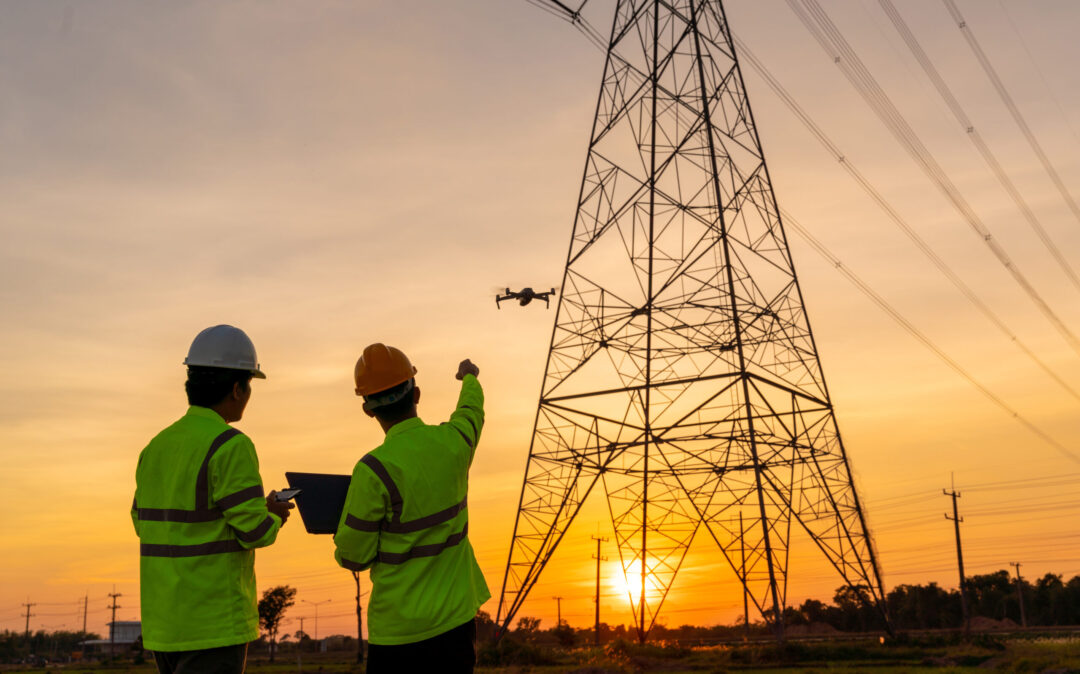
In the utilities sector, for example power grids, water utilities, and gas infrastructure, robotics is primarily used for inspection, servicing, and maintenance. Robots and autonomous systems can inspect power lines, transformers, or piping systems, often in environments that are difficult to access or hazardous. This is complemented by drones and mobile robotics for grid monitoring and damage detection.
Major energy and infrastructure operators such as E.ON and EnBW are increasingly using these technologies in the context of digitalized grids, or “smart grids.” The key benefits here are early fault detection, reduced downtime, and more predictable maintenance.
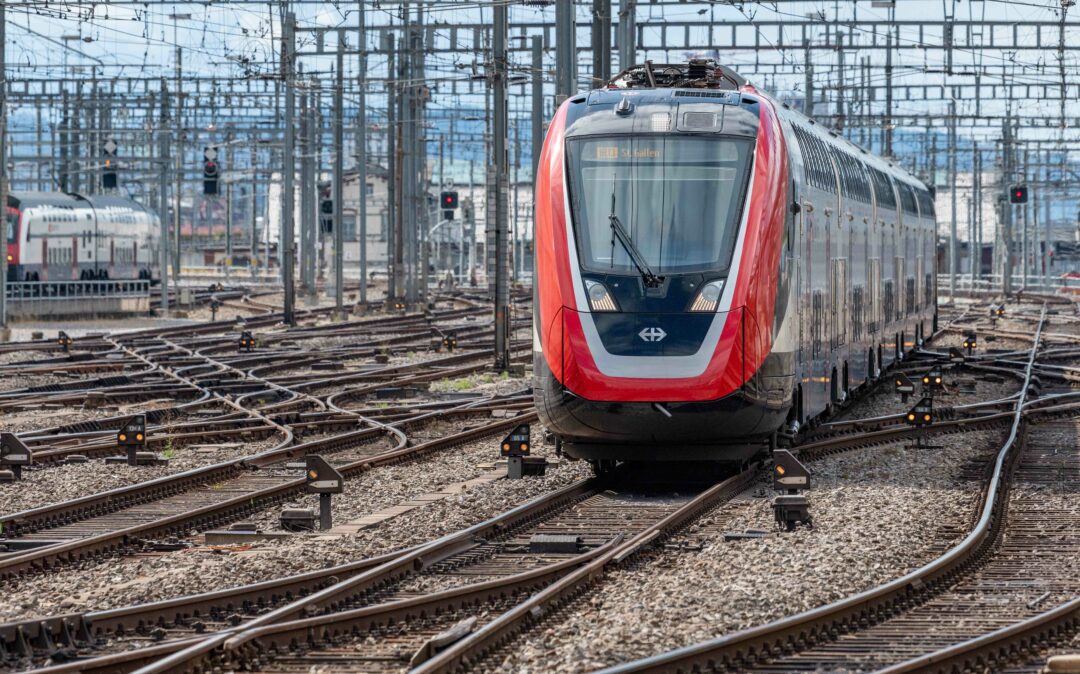
In the rail sector, robotics plays a central role in the maintenance of tracks, switches, trains, and railway infrastructure. Automated measurement and inspection systems capture track conditions, wear, or obstacles with a high level of precision. Robot-supported systems are also used in workshops for maintenance, cleaning, and component replacement.
Companies such as Deutsche Bahn and Alstom are increasingly relying on these technologies to improve operational safety and network availability.
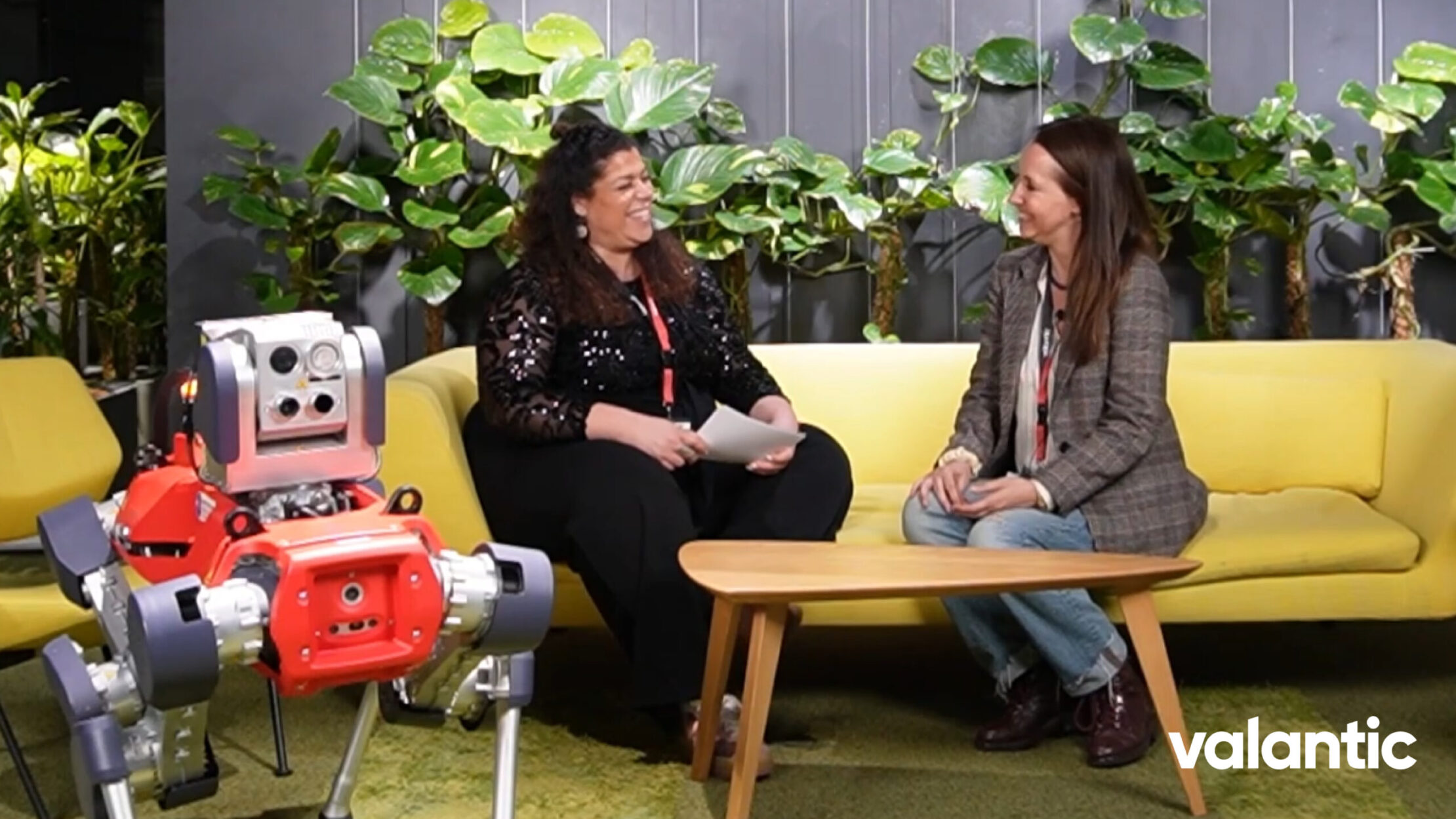
ANYbotics is a Swiss robotics company based in Zurich that specializes in autonomous robots for industrial inspections. The company was founded as a spin-off from ETH Zurich and is best known for developing the four-legged robot ANYmal.
ANYbotics’ goal is to make hazardous, monotonous, or hard-to-access tasks in industrial facilities safer and more efficient through the use of robotics.
In the following videos, you can learn how ANYmal is used in real-world environments, which tasks it performs, and how it interacts with people and its surroundings.

As the use of AI-powered robotics continues to grow, responsibility, safety, and clear boundaries for deployment are becoming increasingly important. Autonomous systems can help companies make processes more efficient, relieve employees, and reliably monitor hazardous or hard-to-access environments.
At the same time, clear governance structures are essential: technology must be used in a transparent, controllable, and value-driven way. Especially when it comes to autonomous systems, it is crucial that innovation not only works from a technical perspective, but also remains ethically responsible.
ANYbotics’ Approach
ANYbotics follows a clear ethical stance in the use of its technology. The company explicitly excludes military applications and the weaponization of robots.
The focus is deliberately on civil and industrial applications, for example in the inspection, monitoring, and maintenance of complex assets. In this way, ANYbotics positions robotics as a technology that supports safety, efficiency, and sustainability in real-world working environments.
Clear Ethical Boundaries for Deployment
ANYbotics does not use its technology for defense purposes or military-related applications. The weaponization of robots is also excluded.
The use of robotics should not contribute to militarization, but instead create positive value in civil and industrial contexts.
Safety and Control in Operation
The use of autonomous robotics requires reliable systems, clear responsibilities, and controllable processes. In this context, governance means that technology must not only be powerful, but also remain transparent, safe, and manageable.
Benefits for People, Industry, and the Environment
Robotics can relieve employees, reduce hazardous inspection rounds, and monitor industrial assets more efficiently. The focus is on applications that support people while also contributing to operational safety, resource efficiency, and sustainability.
Learn more about the responsible AI approach in the interview with SAP
Industrial maintenance is undergoing a transformation. By integrating robotics into Asset Performance Management (APM), new opportunities are emerging to operate assets more efficiently, safely, and data-driven.
Modern companies are increasingly relying on a combination of autonomous systems, intelligent sensors, and AI-powered analytics to monitor the condition of their assets in real time and optimize maintenance processes.
Efficiency through Intelligent Automation
Robots and autonomous systems now take on tasks that were previously time-consuming or associated with risk. These include inspection rounds, monitoring hard-to-access asset areas, and capturing high-resolution image and sensor data.
In combination with APM systems, this data is analyzed directly and transformed into actionable insights — enabling faster and more precise decision-making.
Greater Safety and Availability
The use of robotics reduces the need for human intervention in hazardous environments, such as power generation, the chemical industry, or the oil and gas sector. At the same time, asset availability increases through the early detection of potential disruptions.
As a result, predictive maintenance becomes not only theoretically possible, but practically scalable.
Integration into Digital Ecosystems
Robotics solutions can be seamlessly integrated into existing asset management systems. In combination with IoT platforms, digital twins, and AI-powered analytics, this creates an end-to-end digital process — from data collection through to maintenance action.
This transforms reactive maintenance into predictive, proactive asset management.
Your Benefits at a Glance:
Executive Roadshow Robotics in Vienna | 18 March 2026
The Executive Roadshow Robotics in Vienna impressively demonstrated how autonomous inspection robotics is already creating real value for infrastructure maintenance and facility management today. Together with ANYbotics, SAP, and valantic, decision-makers and experts came together to discuss innovative approaches to intelligent maintenance, digital processes, and the use of autonomous robotics.
The event focused on personal exchange, engaging discussions around practical use cases from infrastructure, energy, and building technology, as well as a shared dialogue on the future of modern maintenance processes.
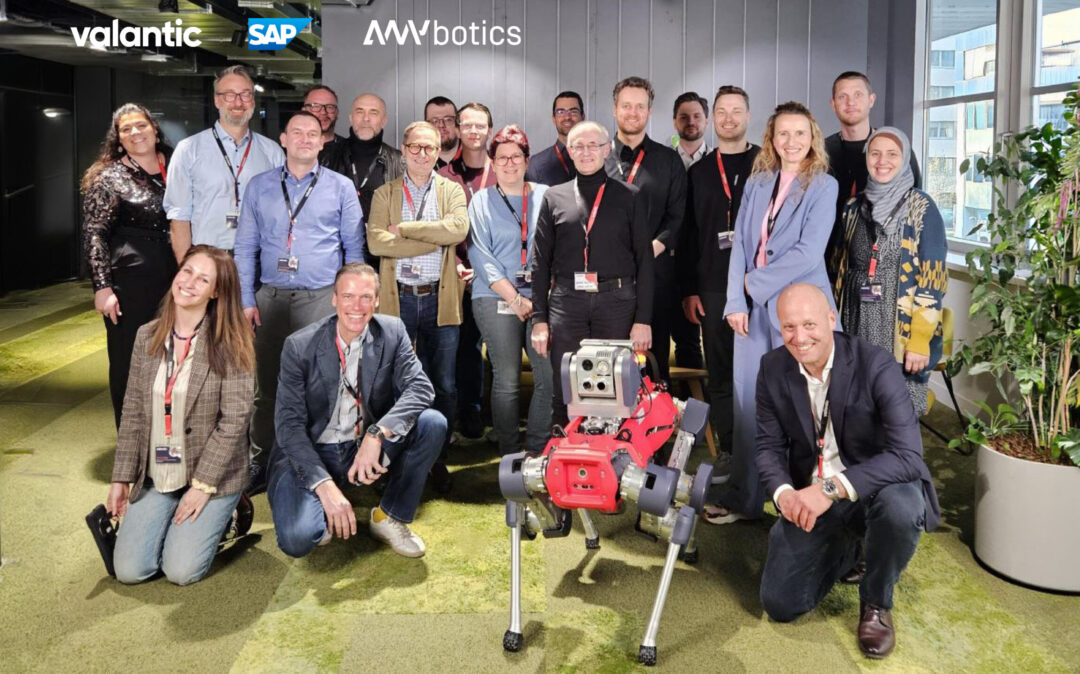
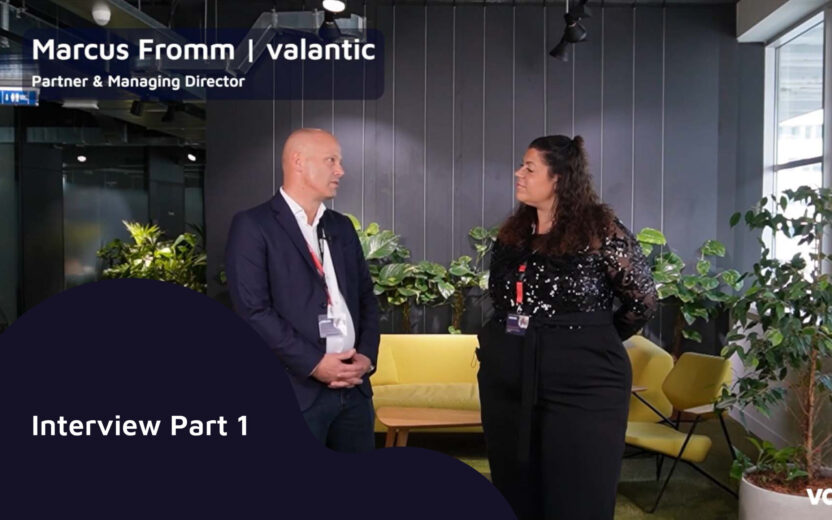
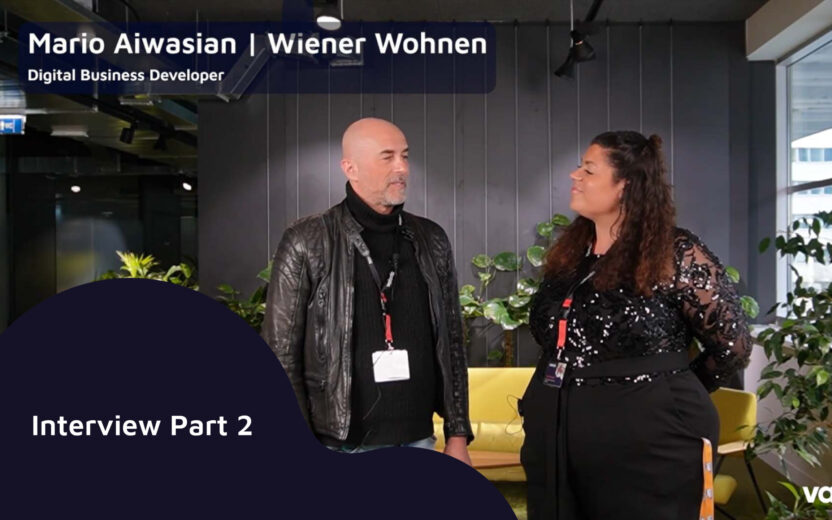
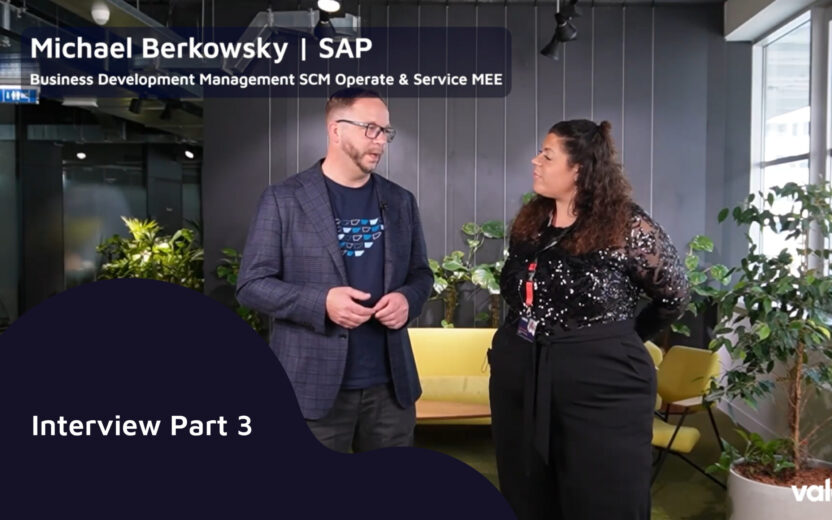
In the following videos, we look back together on the Executive Roadshow Robotics in Vienna. Hosts and visitors share their impressions, experiences, and perspectives on autonomous inspection robotics, intelligent maintenance, and the future of digital infrastructure processes.
For four days, Davos became a real-world testing ground for robotics, physical AI and intelligent automation. Over 30 autonomous systems demonstrated how AI and robotics can function in real-world environments, beyond laboratories and showcase settings.
valantic was on site as an industry partner of the Robot City Awards and covered the most exciting technologies, discussions and practical examples.
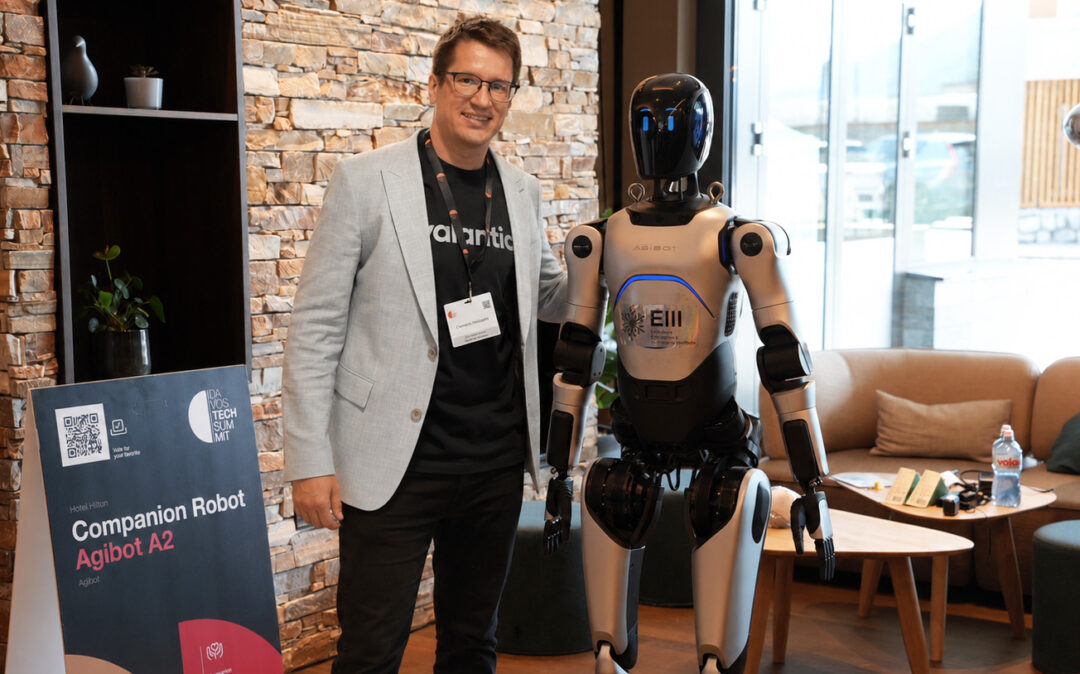
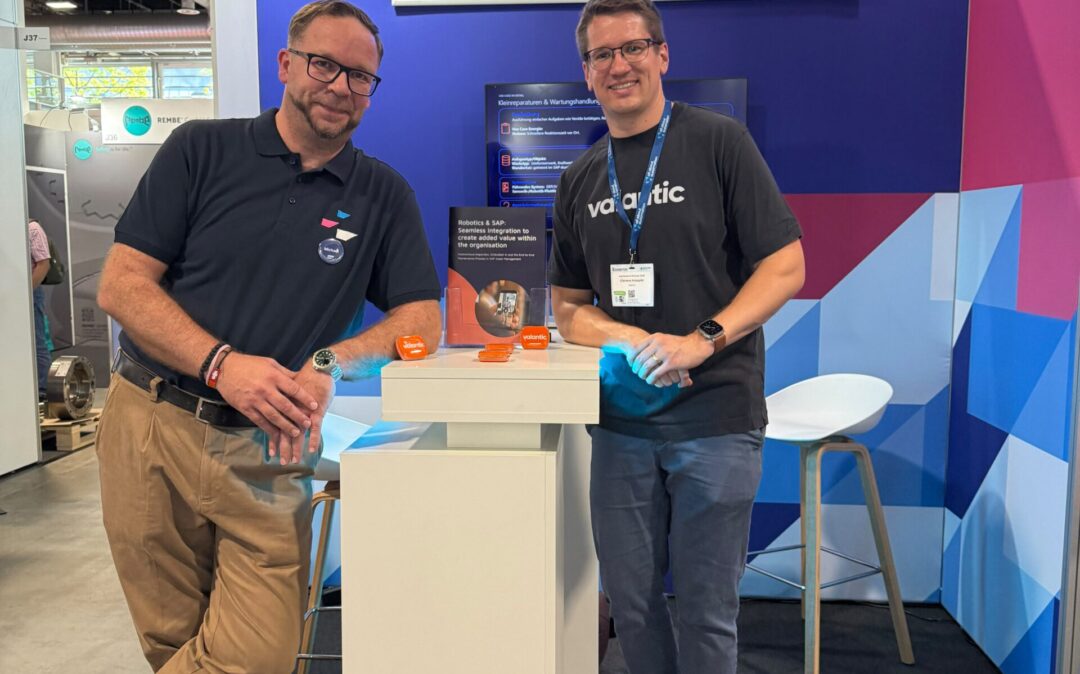
Two days packed with innovation, engaging discussions and the vibrant atmosphere of the trade fair: together with our partner SAP, we demonstrated how modern technologies are transforming field service and maintenance. The focus was on robotics, SAP Field Service Management (FSA) and Asset Performance Management (APM) – from autonomous inspections and intelligent field service to predictive asset monitoring.
A particular highlight: the ANYmal from ANYbotics. The trade fair experience was rounded off with fascinating interviews and practical insights.
Tailored Consulting and Implementation
We help you find the optimal approach for integrating robotics into your company. Together, we analyze your requirements, develop a tailored solution, and support you throughout implementation. Get started now with a straightforward consultation.