Highlight

Successful together – our valantic Team.
Meet the people who bring passion and accountability to driving success at valantic.
Get to know usFebruary 28, 2025
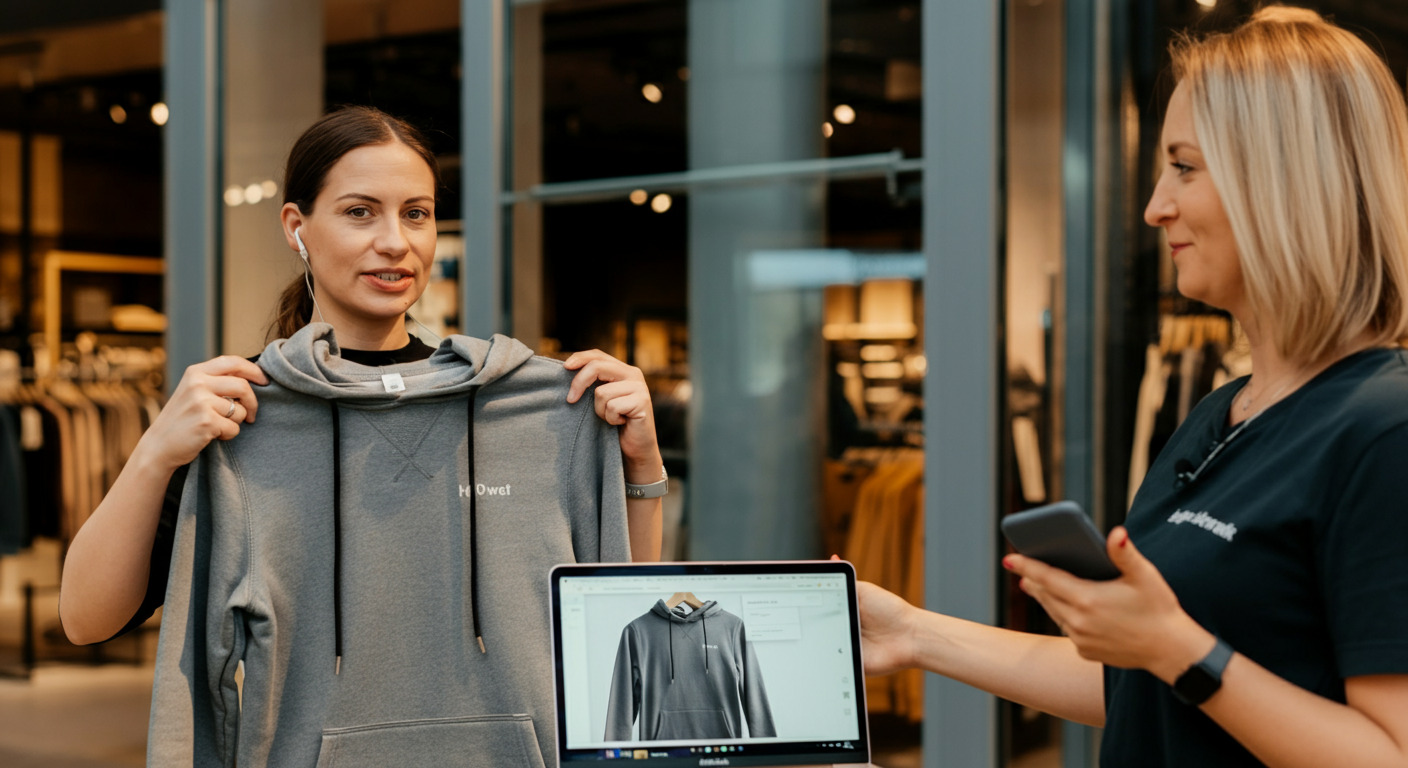
By 2026, around 20 percent of global e-commerce transactions could take place through live shopping experiences, according to a forecast by McKinsey. But what exactly is behind this innovative sales format, and how can European brands benefit? In this series, we take a behind-the-scenes look at live shopping events.
Join us in the second part as we explore which industries and brands are already boosting sales and enhancing customer loyalty through live shopping.
Live shopping can be an effective and valuable channel to highlight new products and generate interest among target audiences. Additionally, brands receive direct feedback through audience questions and comments about how the product is received by the target group.
A survey by technology provider VTEX shows which product categories viewers are most interested in during live shopping:
These insights suggest the greatest potentials for industries such as:
China sets the pace in live shopping, but well-known and smaller brands in Europe, the USA, and South America are also showing how to boost sales and engage customers with live shopping events:
PatBO
The fashion brand PatBO by Patrícia Bonaldi saw a 300% increase in commerce sales following a single live shopping show in 2024. During the livestream directly from New York Fashion Week, the average order value increased by 79% and the number of orders by 125% compared to regular Saturdays.
Adidas & Real Madrid
The power behind live shopping was demonstrated by Adidas in collaboration with the soccer club Real Madrid: during a live stream, the partners generated additional sales of 30,000 euros in less than two hours with up to 10,000 simultaneous viewers. The video content was subsequently used for social media and product presentations in the store.
Samsung
For a broad and audience-effective product presentation during the lockdowns, Samsung Sweden held an interactive shopping show in September 2020, promptly exceeding its own conversion goals. Samsung built on this success in the following years: At a live presentation of the latest smartphone model, the company recorded 163 % more orders compared to regular online sales and quadrupled its profit in B2C commerce.
Douglas
Douglas is one of the first movers in the live shopping game in this country. With Douglas Live, the cosmetics company launched its own live shopping channel for the European market in March 2020, aiming to increase the duration of visits on the Douglas platform. At their peak, the live videos achieve a conversion rate of up to 40 percent.
Otto
Since 2021, Otto has been following the live shopping approach with proprietary software. Each stream of OTTO live shopping is expected to reach up to 60,000 viewers. Customers are informed in advance via push notifications about the next event, and the videos are embedded directly in the online store.
MediaMarktSaturn
MediaMarktSaturn tested an interactive live shopping format with TV channel SPORT1 as an additional sales channel, premiering during Cyber Week 2023. The recording was subsequently included on other digital and social platforms.
Tommy Hilfiger
Tommy Hilfiger expanded its livestream program to Europe and North America in 2020 after great success in China. Reportedly, a TommyNow runway show attracted 14 million viewers and sold 1,300 hoodies within two minutes
JapanLA
The California-based Japanese pop culture brand sold products worth $17,000 to more than 1,500 customers in just one live shopping show.
Although it seems that only B2C retail brands benefit from live shopping, the trend is neither limited to industries and product categories nor to sales and business models. Whether consumers or business customers, people desire personal advice, direct connections to brands, and expert support in purchase decisions. Live shopping can be a key lever for meeting these expectations in both B2C and B2B sectors.
The fact that mostly B2C brands have jumped on the live shopping trend has a pragmatic reason: virtual events are ideal for presenting physical products whose application, features, and benefits can be easily and clearly conveyed in a livestream. Beyond fashion and beauty, niche products for smaller target groups can also be sold well via livestream in the B2C sector. Designated experts can, for example, explain the effectiveness of specific products from a scientific perspective and answer technically demanding questions.
Despite complex offerings and longer sales cycles, live shopping can also be a valuable new approach in B2B sales efforts, such as a platform for product demos, training, and customer service. Sales teams can invite decision-makers to smaller, personal real-time presentations, introduce this specialized audience to complex solutions and services, and strengthen customer relationships.
Ready to boost sales and gain loyal customers with live shopping? Let’s talk!

Your contact
Matthias Vollmer
Manager Business Development & Strategic Partnerships
matthias.vollmer@cec.valantic.com

Customer Experience September 18, 2026
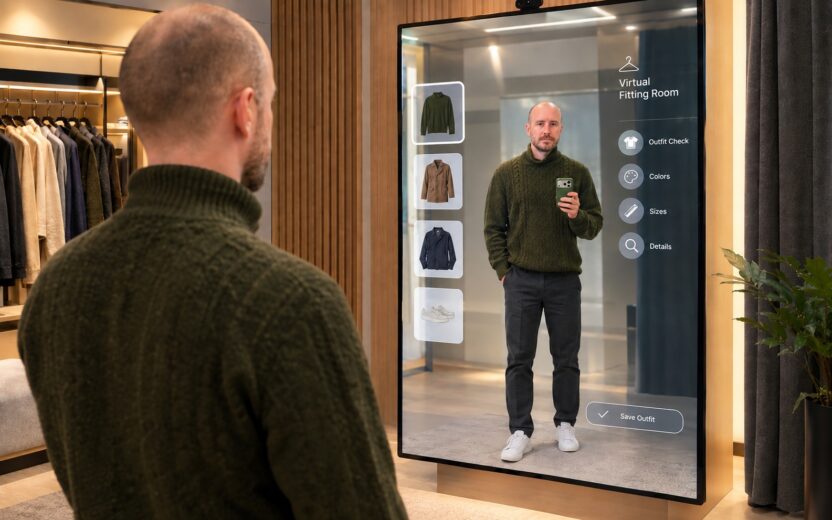
From webshop to virtual try-on: how AI is making its way into retail stores
Digital interfaces such as smart mirrors turn AI in the store into a tangible business case. What potential does this hold for the customer experience and in-store personalization? Matthias Vollmer explains how the retail industry can combine the best of both worlds and turn physical touchpoints into an intelligent part of the omnichannel journey.
From webshop to virtual try-on: how AI is making its way into retail stores
Digital Marketing September 3, 2026
ChatGPT Ads: a new touchpoint in the customer journey
ChatGPT Ads bring advertising to a new stage of the customer journey. We explain how the new ad format works, where its strengths lie, and what role it could play alongside Google Ads, paid social, and organic AI visibility.
ChatGPT Ads: a new touchpoint in the customer journey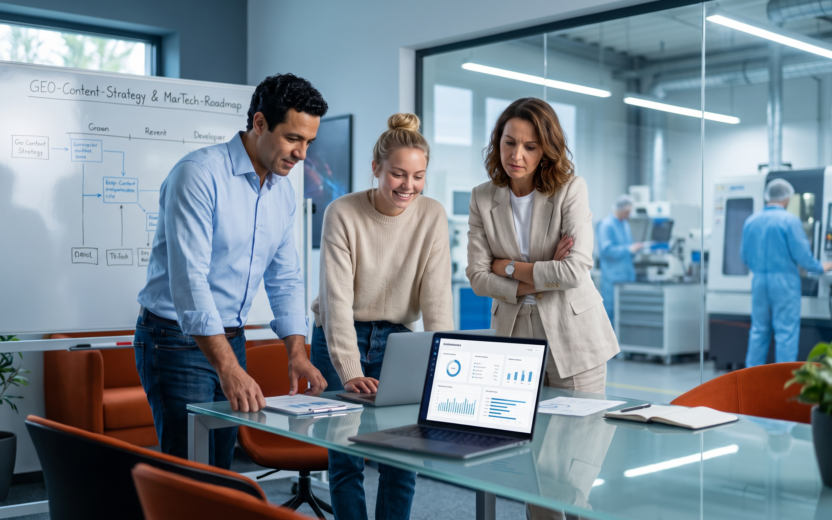
Customer Experience August 27, 2026
Interview: How manufacturing stays digitally visible and AI-relevant
In the manufacturing sector, purchasing decisions are increasingly being made before the sales team is even involved. Designers, planners, maintenance technicians, and buyers conduct online research—and are increasingly receiving AI-generated responses. How can marketing teams at manufacturing companies ensure digital visibility and AI relevance? Answers and recommendations from the Manufacturing Practice.
Interview: How manufacturing stays digitally visible and AI-relevantDon't miss a thing.
Subscribe to our latest blog articles.