Highlight

Successful together – our valantic Team.
Meet the people who bring passion and accountability to driving success at valantic.
Get to know usSeptember 2, 2025

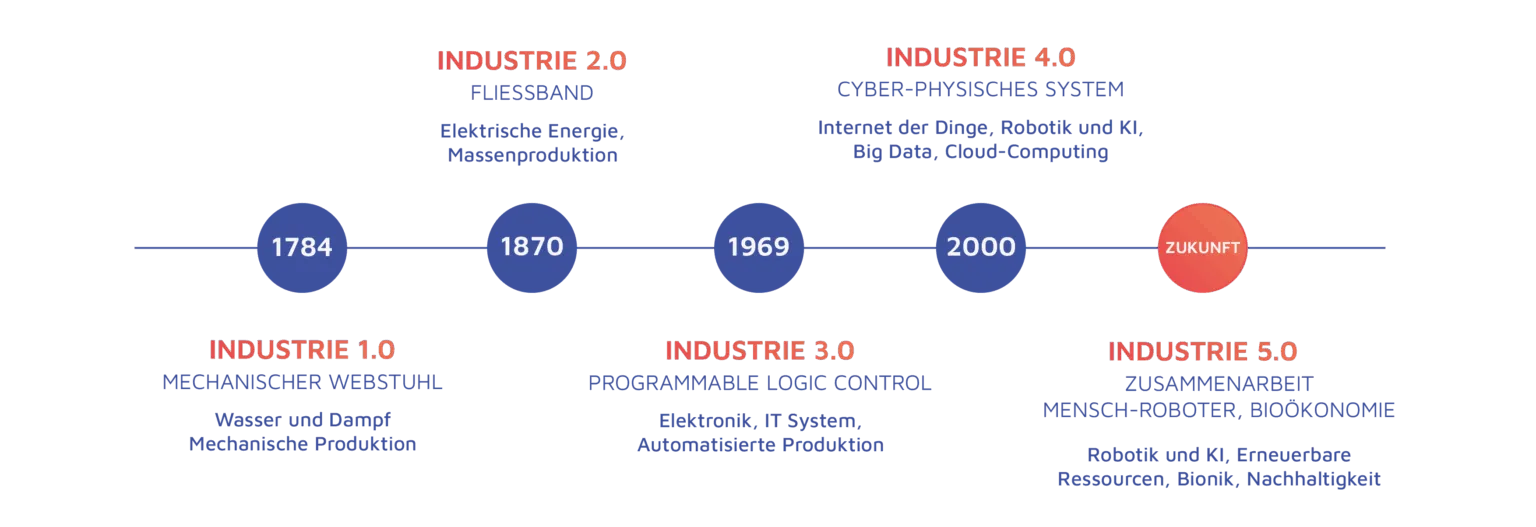
Industry 4.0 has transformed manufacturing through automation, connected machines, and big data, driving efficiency and productivity. The next stage, Industry 5.0, shifts the focus: Progress now depends not only on machines and data, but on human-technology collaboration. The emphasis moves from pure automation to individualization, sustainability, and human-centered innovation.
Industry 5.0 places human needs and potential at the core. Assistance systems, AI, and collaborative robots (“cobots”) take over routine tasks, freeing up employees’ time to apply creativity and problem-solving skills.
Companies benefit on two fronts: greater productivity and the ability to deliver tailored solutions. This human–technology symbiosis lays the foundation for sustainable competitiveness.
Smart services are data-driven offers that link physical products with digital platforms. They allow companies to deliver customized services in real time – from predictive maintenance to personalized recommendations. In doing so, the traditional product evolves into a service ecosystem that creates lasting value for customers. Thus, at the core of Industry 5.0, smart services drive true customer centricity.
The shift to Industry 5.0 is not just about introducing new technologies. It also requires reimagining business models. Instead of one-time product sales, companies must embrace sustainable platforms and subscription models. Customers now expect flexible, personalized solutions, and those who deliver them gain new revenue streams and lasting customer loyalty.
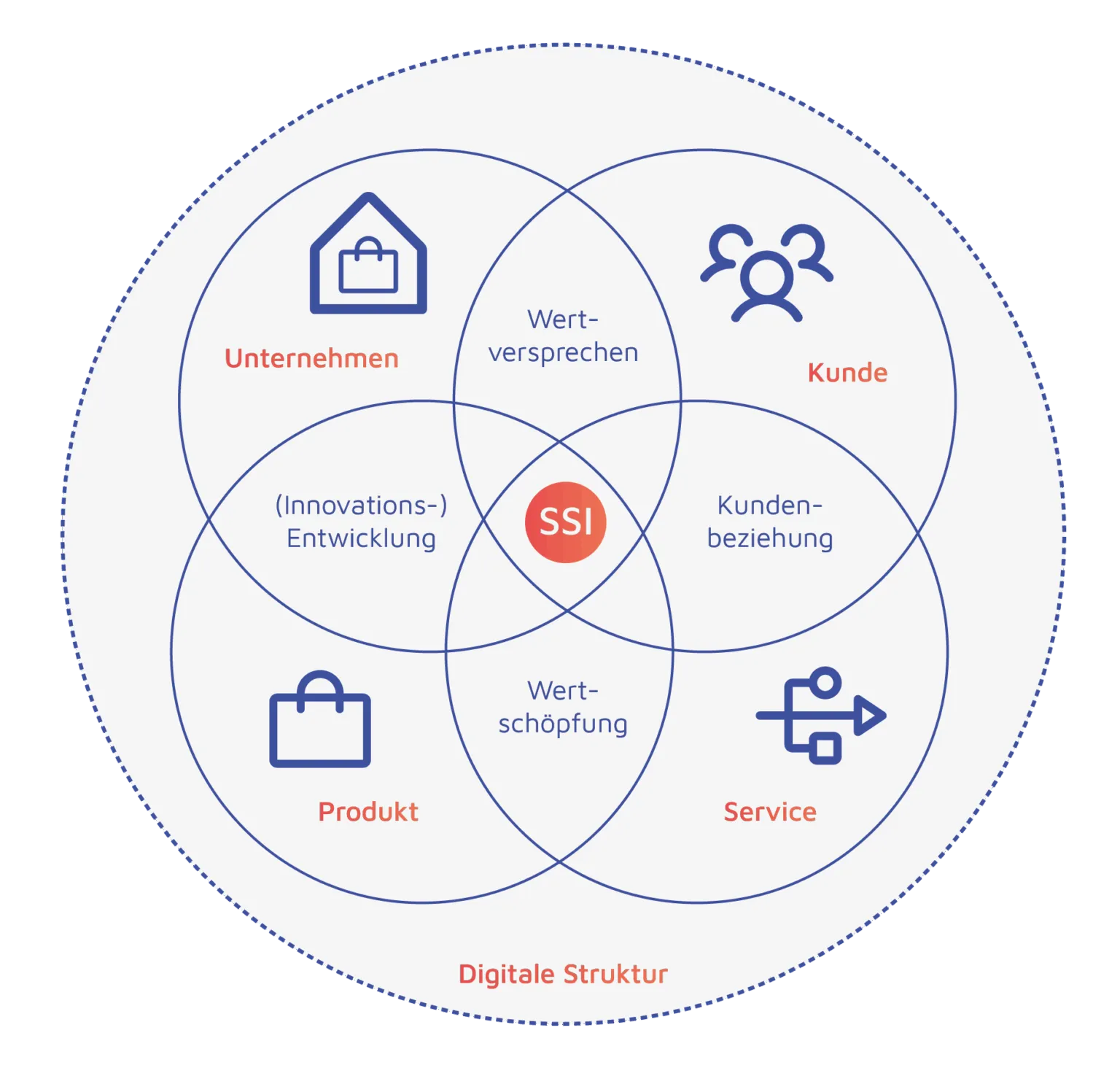
Integrating Industry 5.0 is a strategic move that requires technological expertise, data literacy, and an open culture. Companies must invest in smart services, AI, and digital ecosystems to make processes more flexible and customer-focused. This transformation from product provider to smart service partner is essential for long-term success in a data-driven, sustainability-conscious economy.

Subscribe to our newsletter now and stay up to date!
In our Digital Now! Newsletter, you can expect a selection of interesting blog posts, inspiring white papers, informative webinars, and exciting news on a regular basis.

Customer Experience September 18, 2026
From webshop to virtual try-on: how AI is making its way into retail stores
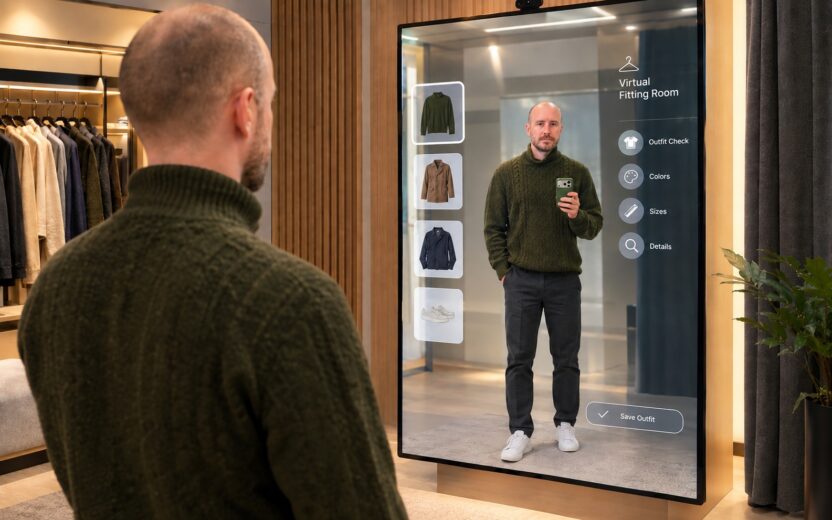
Digital interfaces such as smart mirrors turn AI in the store into a tangible business case. What potential does this hold for the customer experience and in-store personalization? Matthias Vollmer explains how the retail industry can combine the best of both worlds and turn physical touchpoints into an intelligent part of the omnichannel journey.
From webshop to virtual try-on: how AI is making its way into retail stores
Customer Experience August 27, 2026
Interview: How manufacturing stays digitally visible and AI-relevant
In the manufacturing sector, purchasing decisions are increasingly being made before the sales team is even involved. Designers, planners, maintenance technicians, and buyers conduct online research—and are increasingly receiving AI-generated responses. How can marketing teams at manufacturing companies ensure digital visibility and AI relevance? Answers and recommendations from the Manufacturing Practice.
Interview: How manufacturing stays digitally visible and AI-relevant
Digitalization August 20, 2026
How many spreadsheets does it take to answer one HR question?
HR teams spend hours every day stitching data together across disconnected systems — 77% say integrating people data is one of their biggest analytics challenges. Discover what real, unified people analytics looks like, and how choosing the right HRIS turns scattered snapshots into one source of truth.
How many spreadsheets does it take to answer one HR question?Don't miss a thing.
Subscribe to our latest blog articles.