Highlight

Successful together – our valantic Team.
Meet the people who bring passion and accountability to driving success at valantic.
Get to know usvalantic Viewpoint
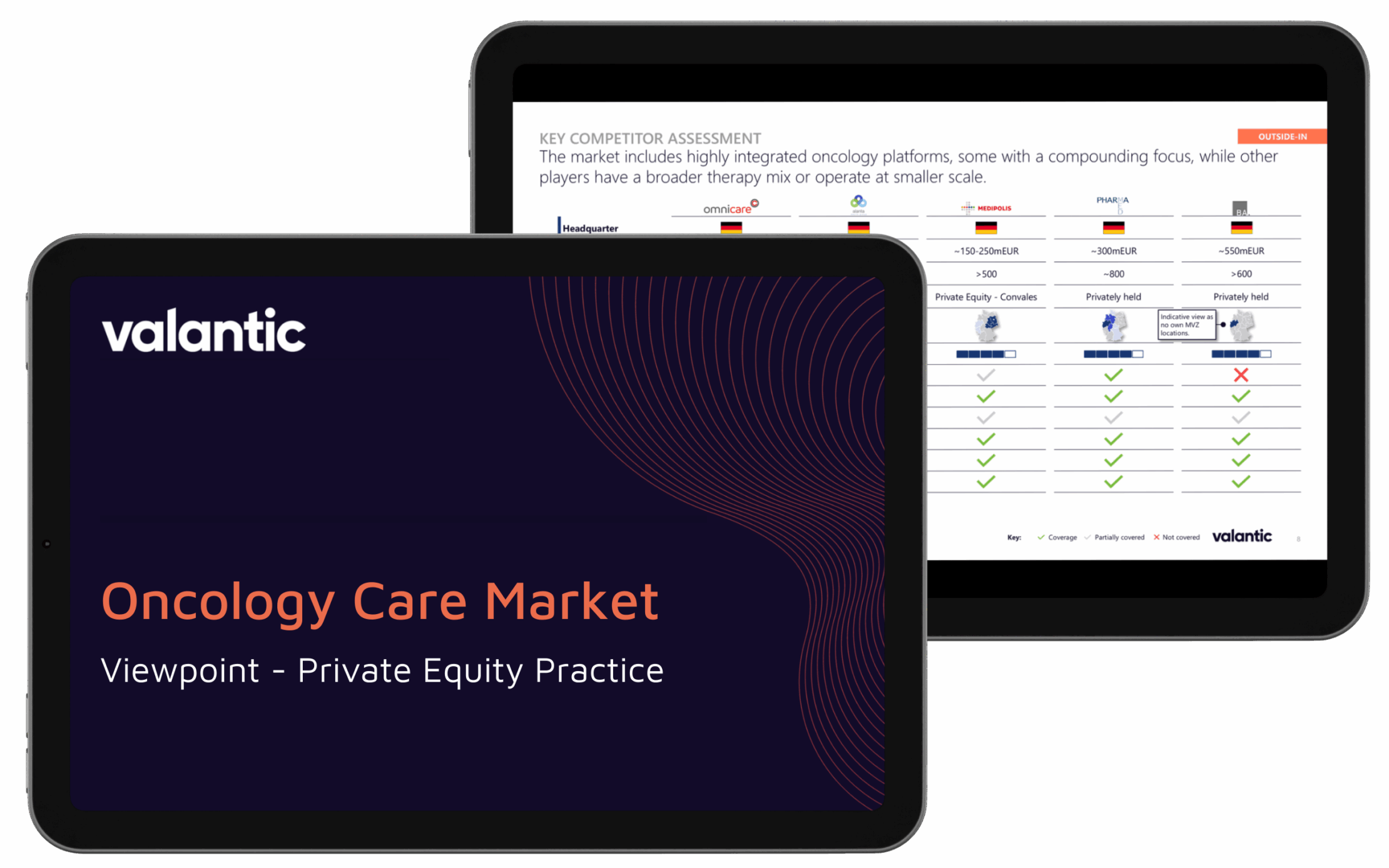
The Oncology Care Market is witnessing strong growth fueled by demographic trends, therapy innovations, and a shift toward outpatient care. Integrated platforms are emerging as key players in addressing complex patient needs and driving operational efficiencies.
This is an excerpt of our viewpoint on the Oncology Care Market. Get in touch if you would like to learn more about the market dynamics, business model, competitive landscape, and growth drivers in this market.
Executive Summary
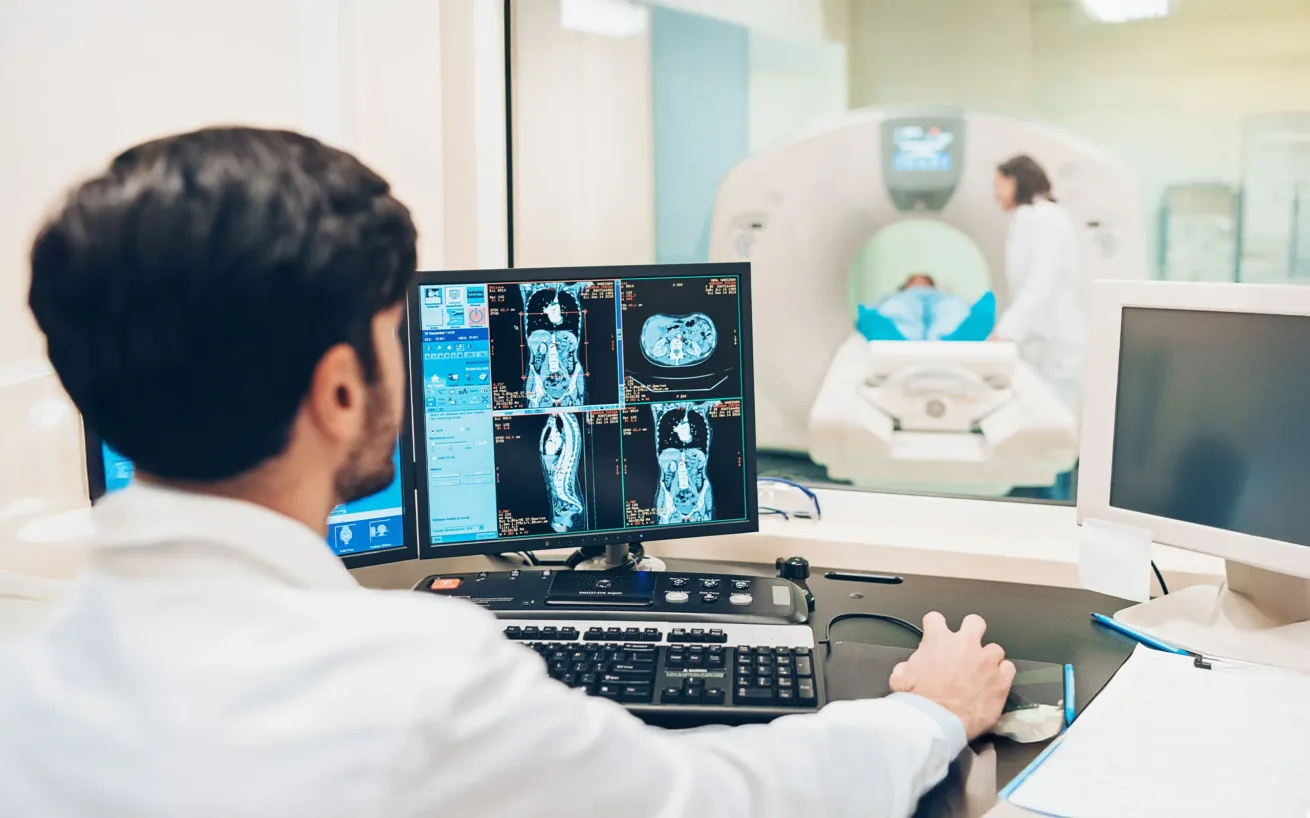
The oncology care market is undergoing significant transformation as demographic shifts and advancements in personalized therapies drive demand for integrated solutions. Outpatient care is becoming the preferred setting for oncology treatments, supported by payer incentives and patient convenience. Leading players are leveraging vertical integration to streamline operations across specialty pharmaceutical distribution, compounding, quality assurance, and outpatient care centers.
The competitive landscape is characterized by consolidation efforts from private equity-backed platforms and regional players seeking scale advantages. Digitalization is also a critical enabler, enhancing operational efficiencies while supporting compliance with stringent regulatory requirements. With long-term opportunities for geographic expansion and adjacent therapeutic areas, this market offers compelling value creation potential for investors.
Vertical integration ensures supply chain resilience and operational efficiency across the value chain.
Outpatient shift creates opportunities for scalable platforms offering localized, patient-centric services.
Digital tools enhance quality assurance, enabling compliance and reducing clinical risks for providers.

Khalid Ouaamar
valantic Managing Director
”Digitalization is a game-changer in enhancing compliance while optimizing operational performance.“
The oncology care market is evolving due to an aging population, increased chronic disease prevalence, and therapy advancements that require specialized infrastructure. Over the coming years, a growing share of oncology treatments is expected to shift from inpatient to outpatient settings. This trend is driven by payer incentives and patient preferences for localized care models that reduce costs and improve outcomes. Outpatient centers are focusing on efficiency through digitalization and integration to meet rising demand while maintaining compliance with stringent regulations.
Key Takeaways:

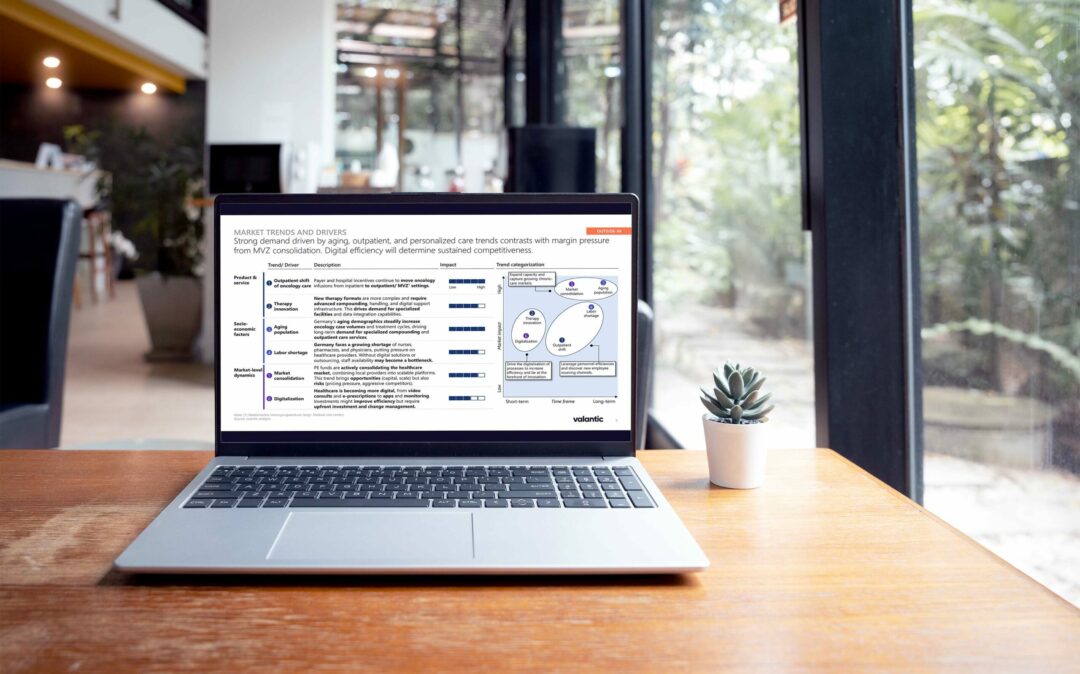
Several drivers are shaping the growth of the oncology care market. Germany’s aging demographics contribute to an increasing number of cancer cases and treatment cycles, ensuring sustained long-term demand for specialized care. Therapy innovations such as personalized medicine and advanced biologics necessitate precision compounding capabilities and sophisticated infrastructure. Digital tools are enhancing operational efficiency, enabling compliance with stringent regulations, and addressing labor shortages in the healthcare sector. Furthermore, consolidation trends among providers create opportunities for economies of scale while intensifying competition in the market.
Key Takeaways:
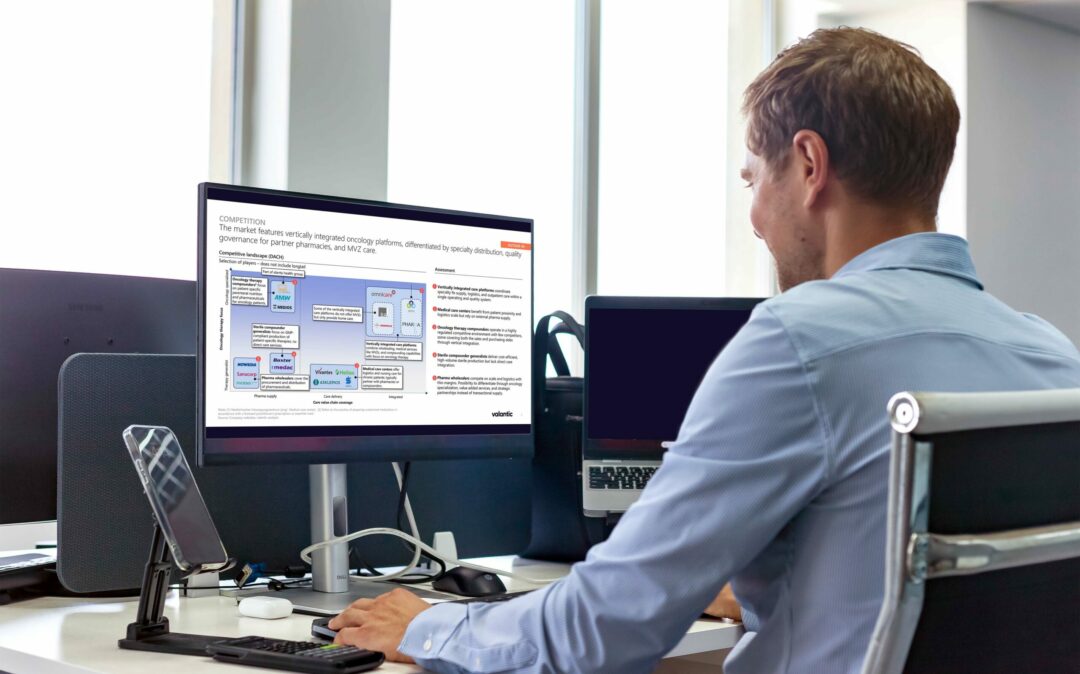
The competitive landscape consists of vertically integrated platforms, generalist compounders, pharmaceutical wholesalers, and medical care networks. Vertically integrated platforms play an increasingly important role by offering end-to-end solutions that include specialty pharmaceutical distribution, sterile compounding, and outpatient medical services such as medical care centers (MVZs). Generalist compounders focus on cost-efficient sterile production without direct patient-facing services, while wholesalers compete on logistics scale but face margin pressure. Consolidation efforts by private-equity backed platforms are intensifying competition while simultaneously creating opportunities for scalable operations.
Key Takeaways:
Integrated platforms in oncology care deliver value through specialty pharmaceutical distribution margins, sterile compounding fees per infusion preparation, reimbursements from outpatient medical services like MVZs, licensing fees for workflow software tools, and training programs for providers. These platforms streamline operations by integrating supply chains while maintaining high standards of quality assurance across the value chain. Vertical integration enhances operational efficiencies, reduces clinical risks through standardized processes, and creates switching costs that strengthen provider loyalty.
Key Takeaways:

Growth opportunities lie in geographic expansion into underserved regions within Germany or neighboring European countries using scalable MVZ models or partnerships with local providers. Diversification into adjacent therapeutic areas like parenteral nutrition or rheumatology offers potential beyond core oncology services while opening cross-selling opportunities with existing customers. Further digitalization enhances scalability by optimizing workflows across the value chain while ensuring compliance with regulatory standards.
Key Takeaways:

Want the full breakdown? The full viewpoint on the Oncology Care Market is available on request.

Christoph Nichau
Partner & Managing Director
Private Equity Practice

Jan Dingerkus
Partner & Managing Director
Private Equity Practice

Khalid Ouaamar
Managing Director
Private Equity Practice