Highlight

Successful together – our valantic Team.
Meet the people who bring passion and accountability to driving success at valantic.
Get to know usDigital transformation as a driver for innovation
In an environment where resources are limited and the competition on the international stage is tough due to advanced technology, digital transformation proves to be essential in theaters, opera houses, and museums to ensure the long-term significance and relevance of companies operating in the creative industry. Prerequisites for this include the use of digital tools such as (generative) AI, overcoming organizational barriers, and a better understanding of the importance of data to enable more efficient and seamless end-to-end processes.

From process automation to personalized visitor experiences
Digitalization is both an opportunity and a challenge for the cultural sector. Faced with budget constraints and competition—from global technology companies as well as other cultural venues—the question arises: how can cultural institutions safeguard their relevance? Operational processes in theaters, opera houses, or museums remain largely analog, and existing data is often used only sporadically.
Experience shows that established digital tools, the dismantling of organizational silos, and a stronger appreciation of data can significantly improve the efficiency and seamlessness of end-to-end workflows (e.g., digital guest contracts, digital stage rehearsals, settlement processes). With the targeted use of artificial intelligence, these efficiency gains can be enhanced even further: AI automates repetitive tasks, supports complex administrative workflows, personalizes visitor interactions, and unlocks new creative opportunities.
This reduces errors and media disruptions, ultimately increasing employee satisfaction and motivation. At the same time, today’s audiences – not only Generation Z – expect a digital customer journey and offerings that meet their individual needs.
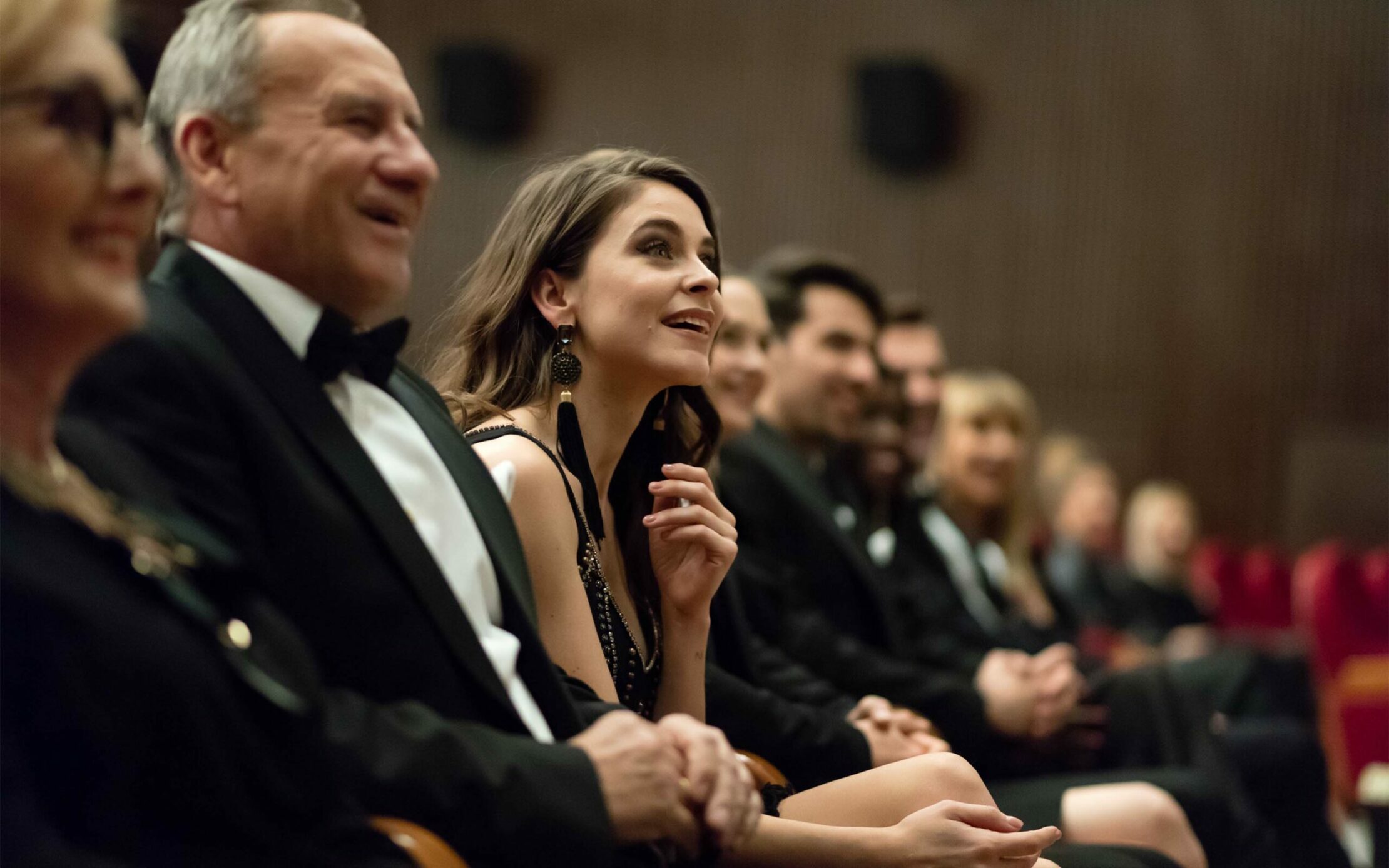
Smooth audience experiences are the result of optimized workflows and data-driven planning.
New opportunities for creativity, efficiency, and visitor engagement
Cultural institutions today must balance artistic excellence with the growing digital expectations of their audiences. Artificial intelligence opens new perspectives—both in creative production and in daily operations. The cultural sector offers ideal conditions for AI because it manages large sets of digital assets, complex workflows, and diverse audience segments.
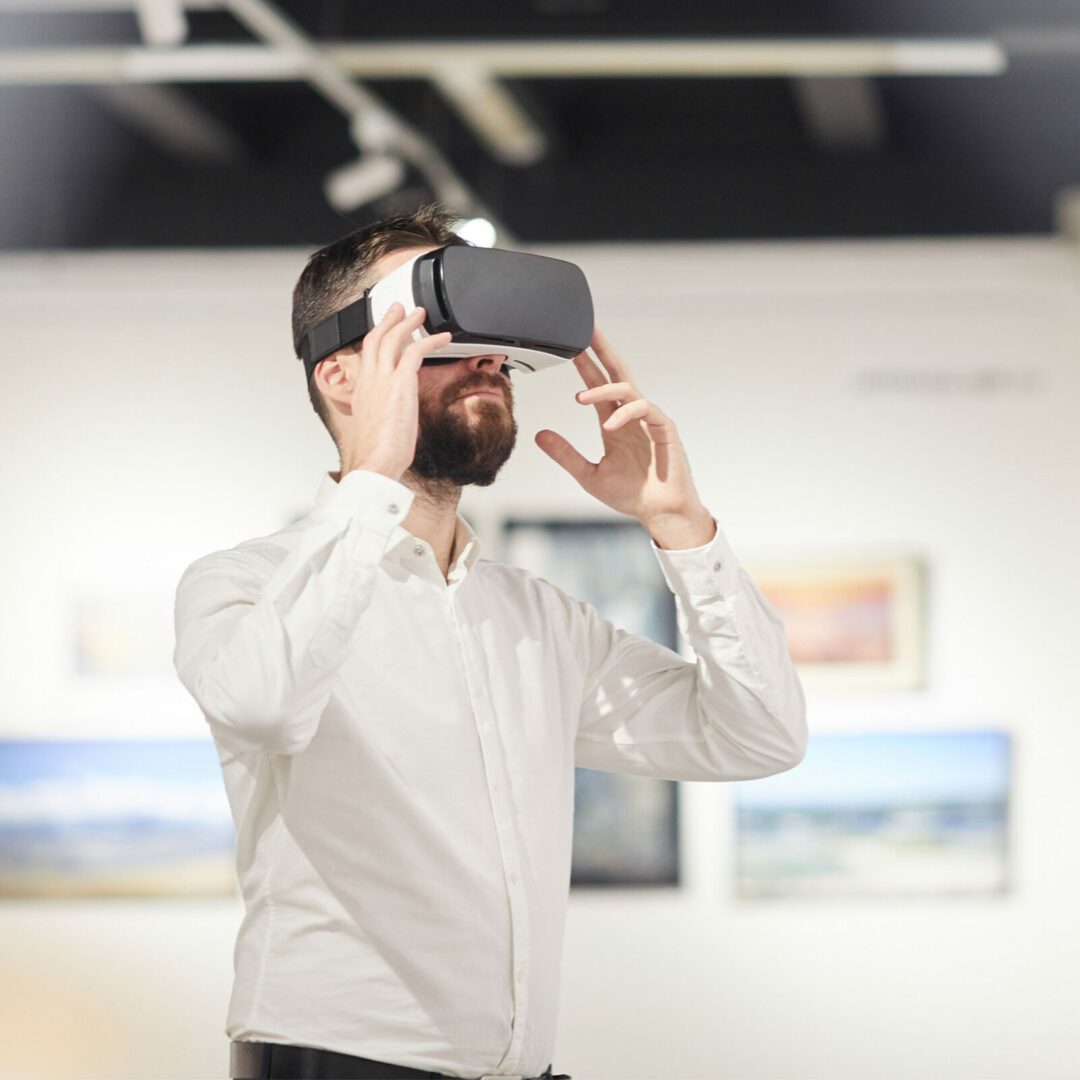

We have already successfully supported renowned institutions in their digital transformation and, with our experience, helped to quickly and easily embark on the right path of transformation, to inspire the team for change, and to sustainably benefit from the opportunities of digitalization.
In doing so, we draw on a solid network of experts from leading universities and experienced Executives from cultural institutions.
Reference Case
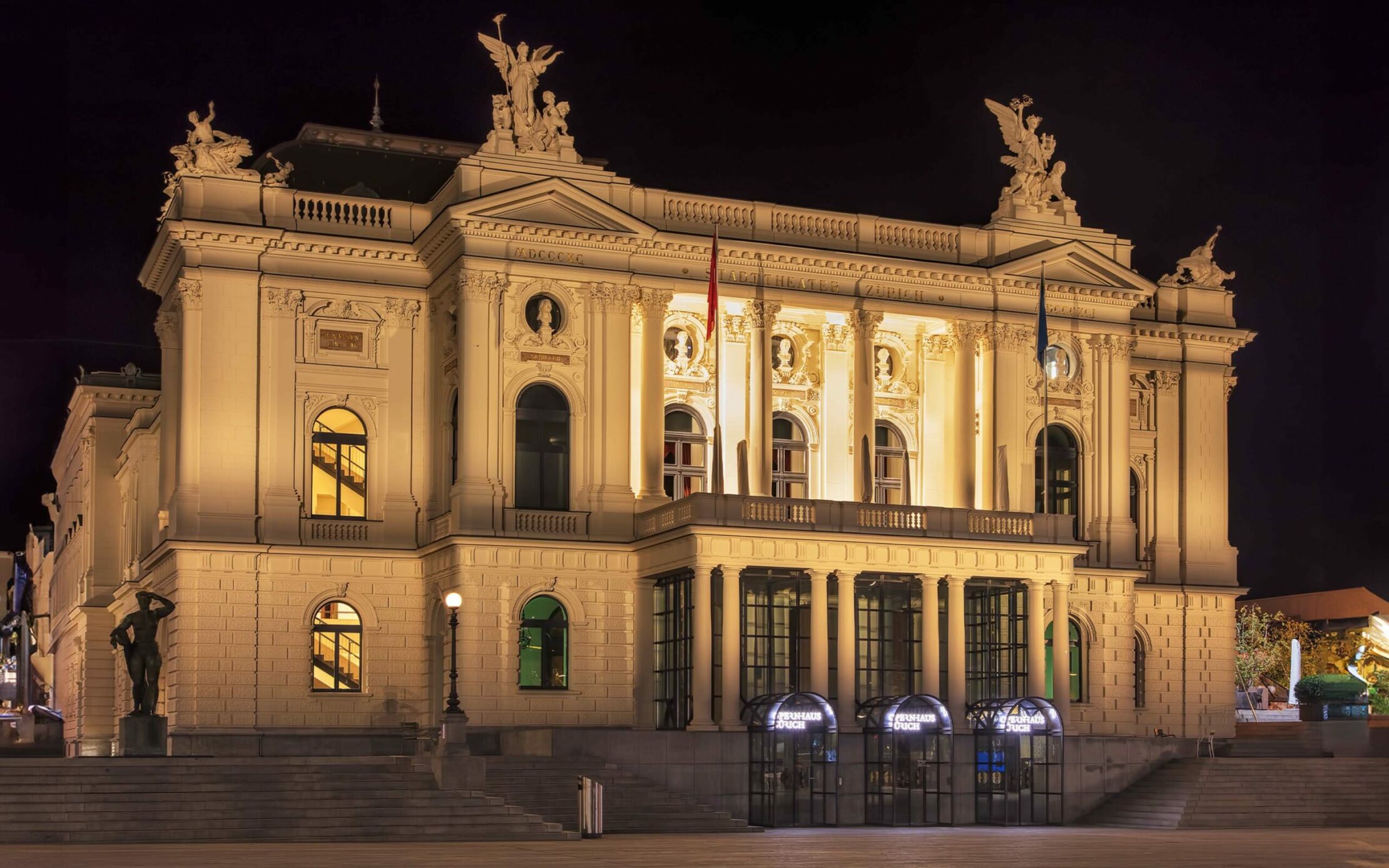
The Zurich Opera House has many guests… How digitalization simplifies the management of guest artistsWhether singers, musicians, directors, or dancers, many of them are not permanently employed at the opera house but are guests who are at least temporarily involved in the opera house experience and contribute to the success of the establishment. There are nearly 1,000 individuals per year, from over 50 nations. The planning of assignments, salary negotiations, possible requests for work permits, contract management, time management, and accounting are time-consuming, prone to errors, and require a lot of coordination between the parties involved: administration, agency, artist.
As part of the digitalization project ‘ContractFlow‘, an end-to-end process was designed across departments, starting with the planning of assignments and ending with accounting. The following guidelines were set: Purely digital documentation/communication, no use of paper, no media disruptions, Single Point of Truth (i.e. digital documents are stored in only one place), electronic signatures, maintenance of master data by the artists.
The new process was mapped onto the existing IT architecture and an IT target image was derived that seemed implementable within 12 months. The optimization of the existing IT architecture and training of the new process were the focus. This allowed the benefits of the new ContractFlow process to be realized relatively quickly. In the medium term, consideration is being given to a digital platform that is universally suitable for digitizing administrative and artistic processes and enables the trustworthy sharing of data with partners (e.g. artists, media, cultural platforms, other stages, visitors).