Highlight

Successful together – our valantic Team.
Meet the people who bring passion and accountability to driving success at valantic.
Get to know usSustainable transformation to a circular economy
valantic supports companies in their sustainable transformation toward a circular economy. With an end-to-end approach, we promote resource efficiency and waste reduction through innovative strategies such as reuse, life cycle assessments, and digital product passports. Our consulting services seamlessly link the circular economy with topics such as decarbonization, ESG reporting, and sustainable supply chains – for future-proof, competitive value creation.

The average carbon footprint in Germany in 2024 was 10.3 tons of carbon dioxide equivalents (CO₂e) per year – the goal is to achieve net greenhouse gas neutrality in Germany by 2045.
A major reason for this is that 40% of all greenhouse gas emissions are attributable to the extraction and processing of raw materials. Global raw material consumption has tripled since 1970. In addition to the steadily growing population, a major reason for this is our increasingly resource-intensive lifestyle. This usually follows the linear economic system: produce, use, throw away, buy new. The result is an enormous and growing demand for resources. In addition, products have to be manufactured, transported, and disposed of, which creates further demand for energy, water, and land. We cannot continue like this, otherwise we will need three Earths by 2050 to meet our resource needs.
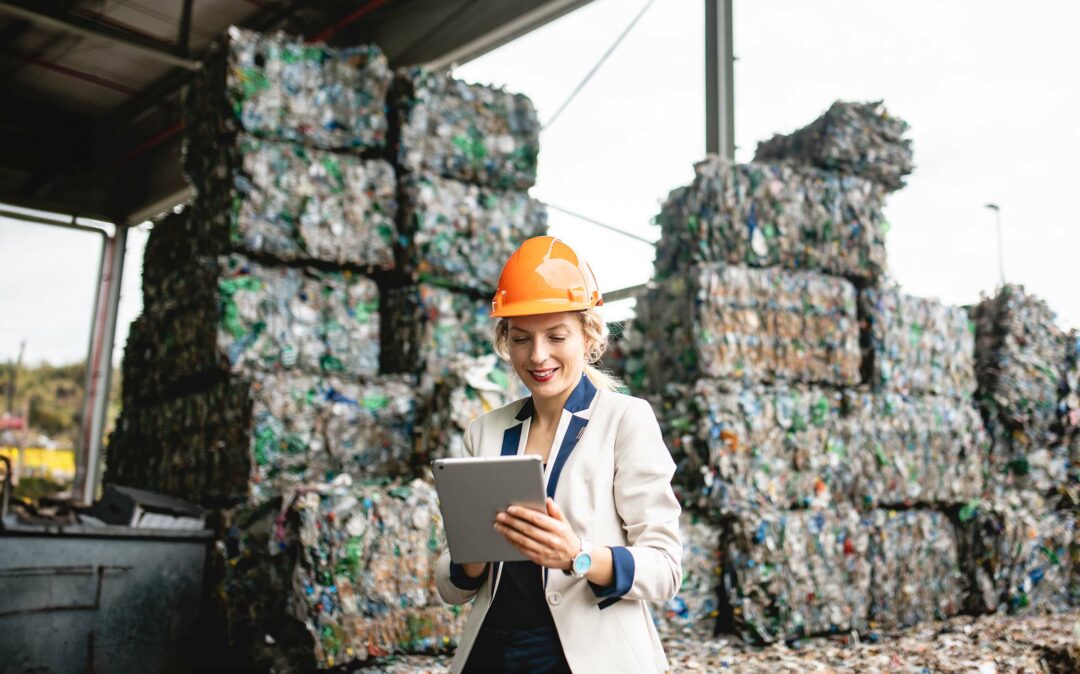
The challenges of the circular economy are therefore considerable, but the results and opportunities of circular economy-oriented activities are even more valuable. Such measures not only comply with legal requirements and regulations. Acting in line with the circular economy also leads to long-term competitive advantages, a response to increased customer demand, and positive effects through the reduction of greenhouse gas emissions.
Diverse and increasing circular economy regulations for EU companies
Resource utilization is an essential factor for long-term competitiveness
Increased customer demand for circular economy-oriented products
Lack of transparency regarding material flows and product compositions
Greenhouse gas reduction through more effective use/reuse
The topic is correspondingly prominent in political discourse. At the EU level, the second action plan for the circular economy has been in place since 2020, with massive regulatory and innovation-promoting measures along the entire life cycle of products in core sectors such as batteries (e.g., Battery Directive), textiles (EU strategy for circular and sustainable textiles), and packaging (e.g., EU rules on packaging waste), as well as measures to empower consumers (e.g., Green Claims Directive, EU law on the right to repair). At the national level, too, the political objective is gaining momentum through the national circular economy strategy (currently in draft form). Among other things, it promotes the exploitation of circular economy potential in key sectors, primarily through the use of innovative digital technologies (e.g. digital product passports).
In order to solve the ongoing resource problem, a shift in thinking is needed: away from a linear economic system and toward a cycle based on reuse, repair, refurbishment, and recycling, with the aim of minimizing waste production and resource consumption:
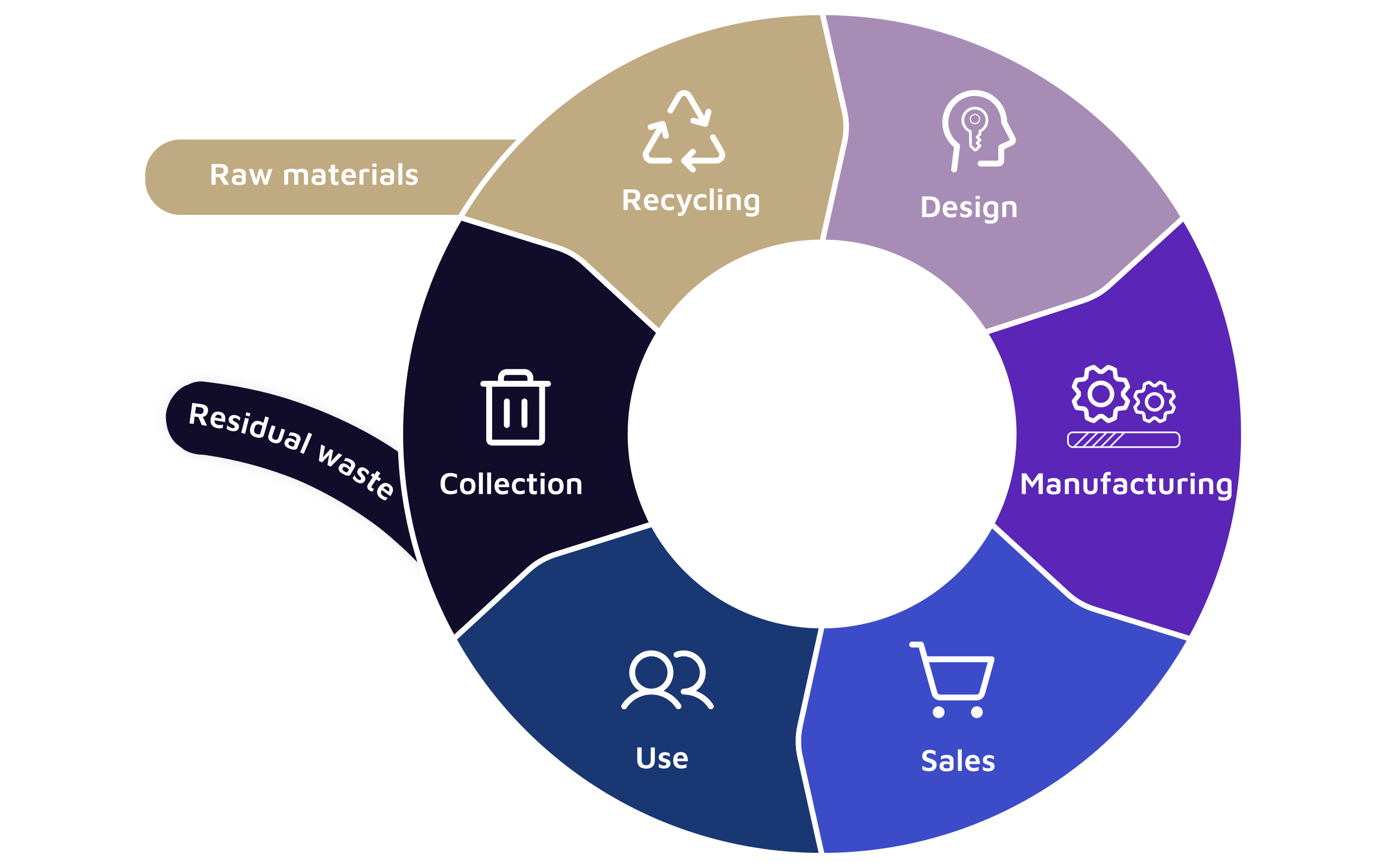
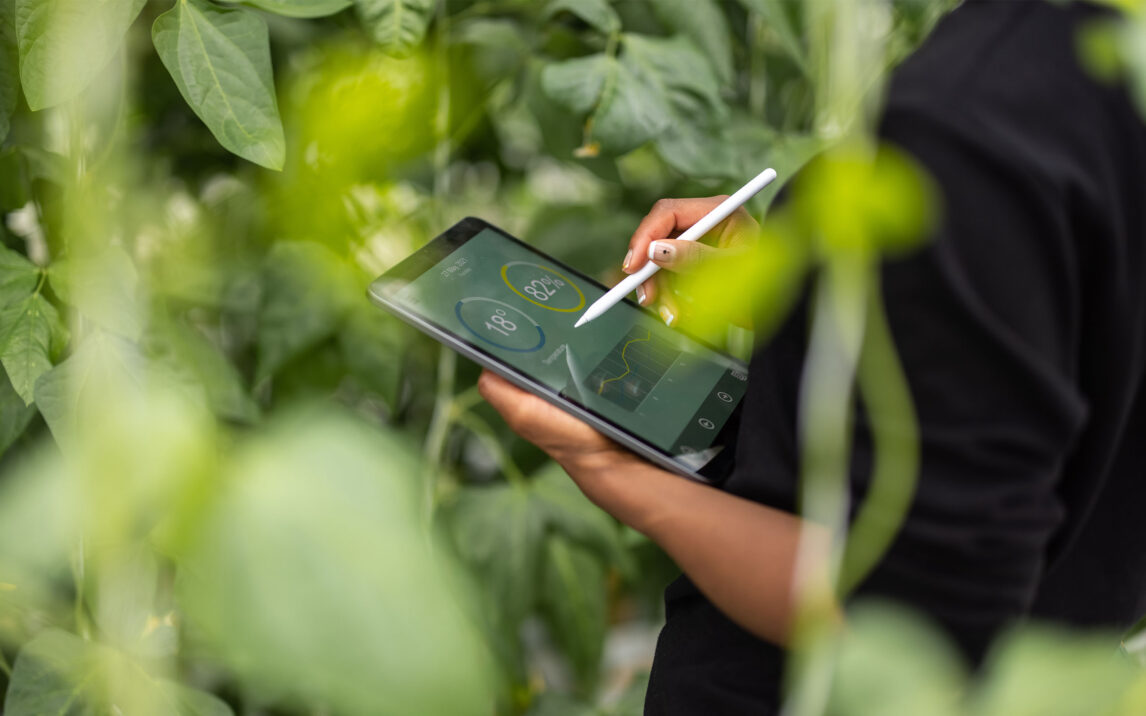
Raw materials are introduced into the cycle or (if they are already integrated into the cycle) recycled. In order to manufacture products in the most resource-efficient way possible, the corresponding product design must be geared towards recyclability – a challenge that should not be underestimated and is often a lengthy one, as product design has an enormous impact on processes and framework conditions. The circular economy aims to make manufacturing as resource-efficient as possible and with as little waste as possible. Ideally, the material should also contain the highest possible proportion of recycled content.
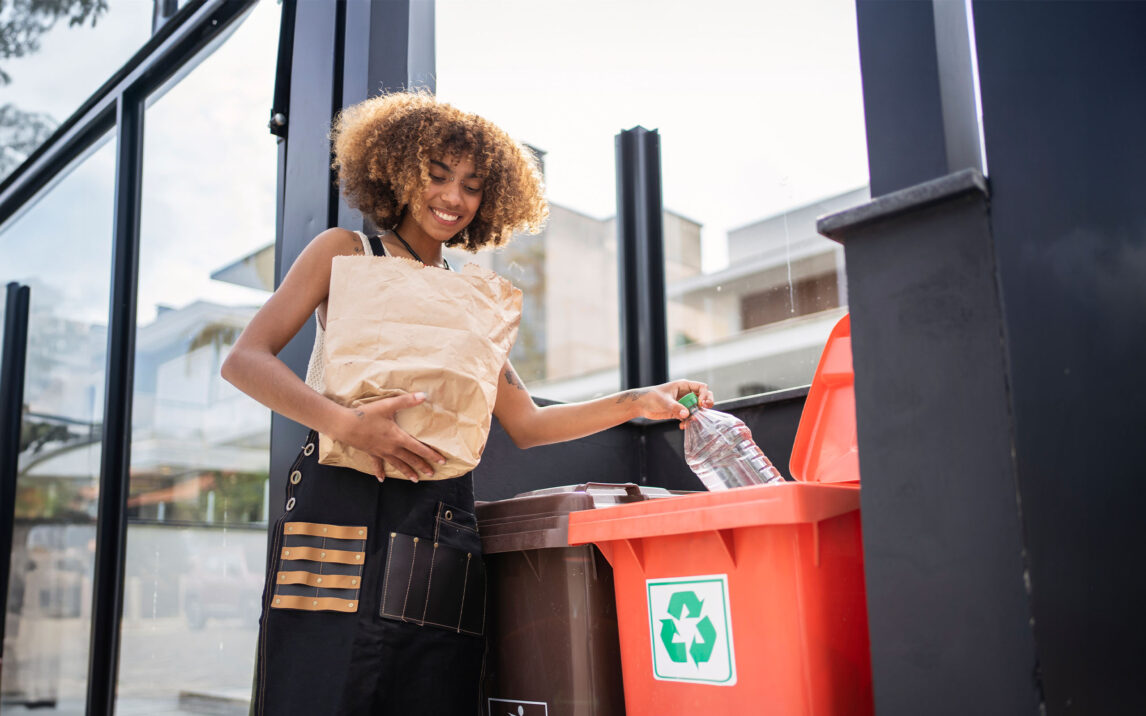
On the one hand, care should be taken to ensure that the distribution processes themselves are resource- and material-efficient (shortest possible transport routes, resource-efficient packaging, etc.). On the other hand, a company’s distribution and communication can have an impact on user behavior. Ideally, consumers should use the product in such a way that the highest possible degree of use, reuse, and repair is possible. The collection of materials is an essential component of the circular economy model – only materials that are collected again in accordance with the cycle can continue to be used. This step is closely linked to the previous phase of use by consumers, as they must enable the collection of the materials. At the end of the process, as little material as possible should leave the cycle as residual waste, the majority should remain in the cycle and be recycled.
The circular economy model continues to distinguish between two cycles – biological and technical – analogous to the established butterfly diagram of the Ellen MacArthur Foundation:
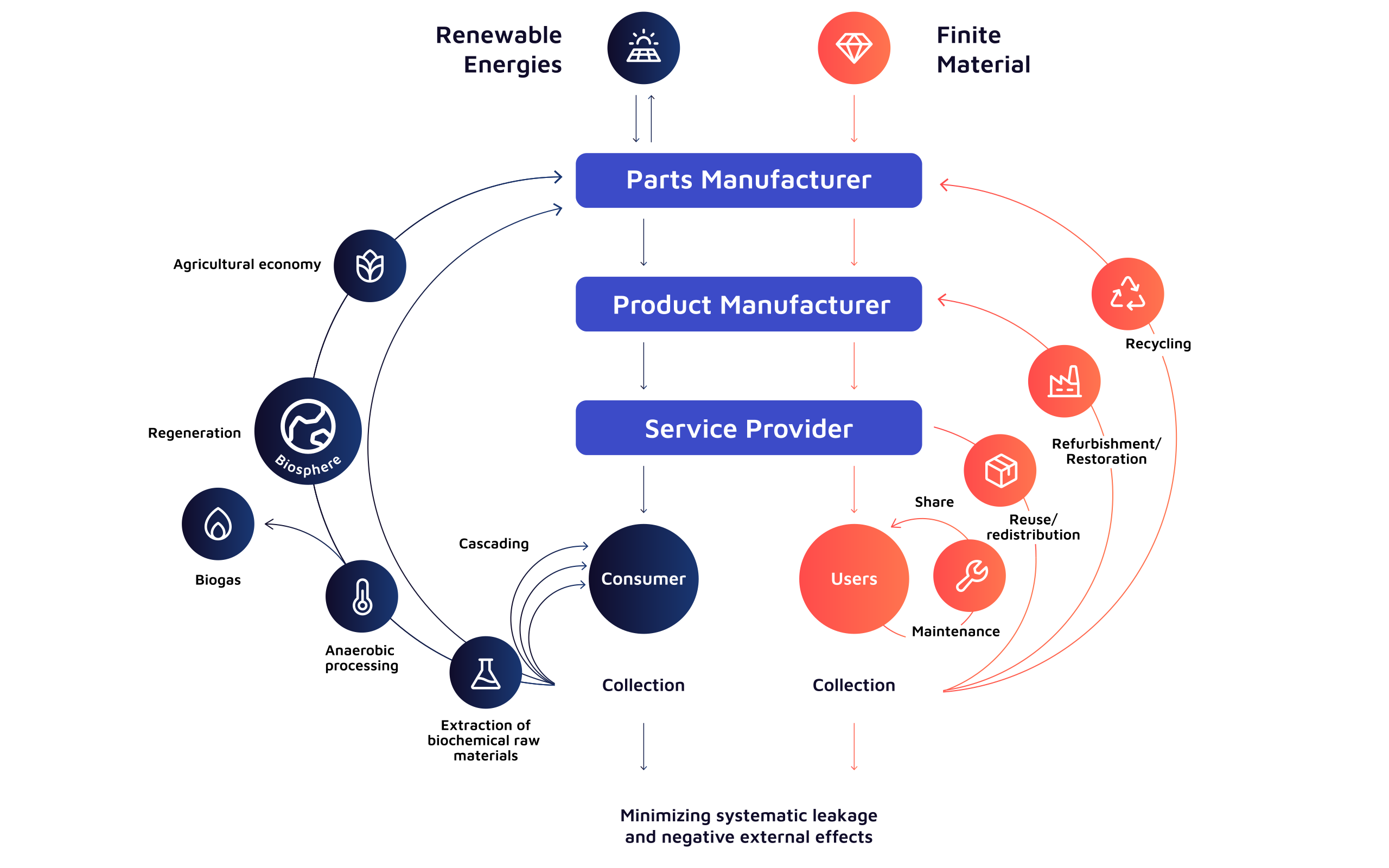
The biological cycle
The biological cycle includes materials that are biodegradable. Accordingly, this cycle mainly affects consumer goods that are used up. At the heart of the biological cycle is the regeneration of the biosphere. To this end, agricultural methods are used to restore and regenerate nature (e.g., land for agricultural use). Contrary to the principle of the linear economic system, new material is created instead of being consumed. In addition, anaerobic processes and composting help to return valuable substances to the soil instead of artificial fertilizers. Furthermore, processes for obtaining biochemical raw materials support the biological production of valuable chemical products.
The technological cycle
The technological cycle includes raw materials and products that cannot be consumed and are therefore only available for use. The aim is therefore to keep the material in circulation for as long as possible and thus avoid waste. Depending on the condition of the product, products can be shared. For example, most citizens rarely need construction tools such as drills, so a sharing system could be a useful option. Furthermore, the technological cycle focuses on methods and processes that increase the service life of products, such as reuse (direct use of products without processing) and recycling (processing of waste into secondary raw materials for new products). Recycling is used as the last option in the technological cycle when the aforementioned steps (reuse, etc.) are no longer possible. A product is broken down into its basic materials and substances, thus preserving the value of the materials, even though the resources invested (energy, time, etc.) are lost.
The circular economy is not only changing consumers’ mindsets toward greater environmental and nature awareness, but also creating tangible added value for the environment and climate:
Environmental and climate protection
According to BMUV (2024), design determines up to 80% of a product’s environmental impact. Accordingly, the circular economy can have an enormous impact on the environment by focusing on designs that are recyclable. In addition, fewer natural resources need to be used if the service life of products is increased and they are repaired and recycled more often.
Reducing dependence on raw materials
Germany is particularly dependent on China for the supply of raw materials. However, it is becoming increasingly common for there to be shortages of finite raw materials due to immense consumption, or for less raw materials to be produced deliberately in order to achieve national (environmental) targets (e.g., in the case of magnesium). The circular economy reduces the demand for raw materials and thus reduces dependence on imports. In addition, supply and price fluctuations can be better balanced.
Development of new business models
More and more innovative business models are being developed to reduce raw material use and consumption. Sharing models in particular are a simple and popular way to avoid having to purchase expensive and infrequently used products – car sharing is one of the best-known models. However, business models based on “product as a service” are also becoming increasingly common. For example, washing machines do not have to be purchased, but can be used for a usage/leasing fee for a specific period of time.
Lower costs for consumers
Circular economy not only has positive effects on the environment and climate, consumers themselves also benefit from this system. At first glance, lower-cost products often seem more attractive, as they sometimes cost only a fraction of the price of more expensive products. However, the low price usually goes hand in hand with lower product quality, meaning that they need to be replaced much more quickly and frequently – in the long term, this results in higher costs than purchasing more expensive, high-quality, durable products.
The transition from a linear to a circular economy is divided into 10 steps using the so-called R-strategies (Cramer 2014, Potting et al. 2017) as a visualization of the individual circular economy stages:
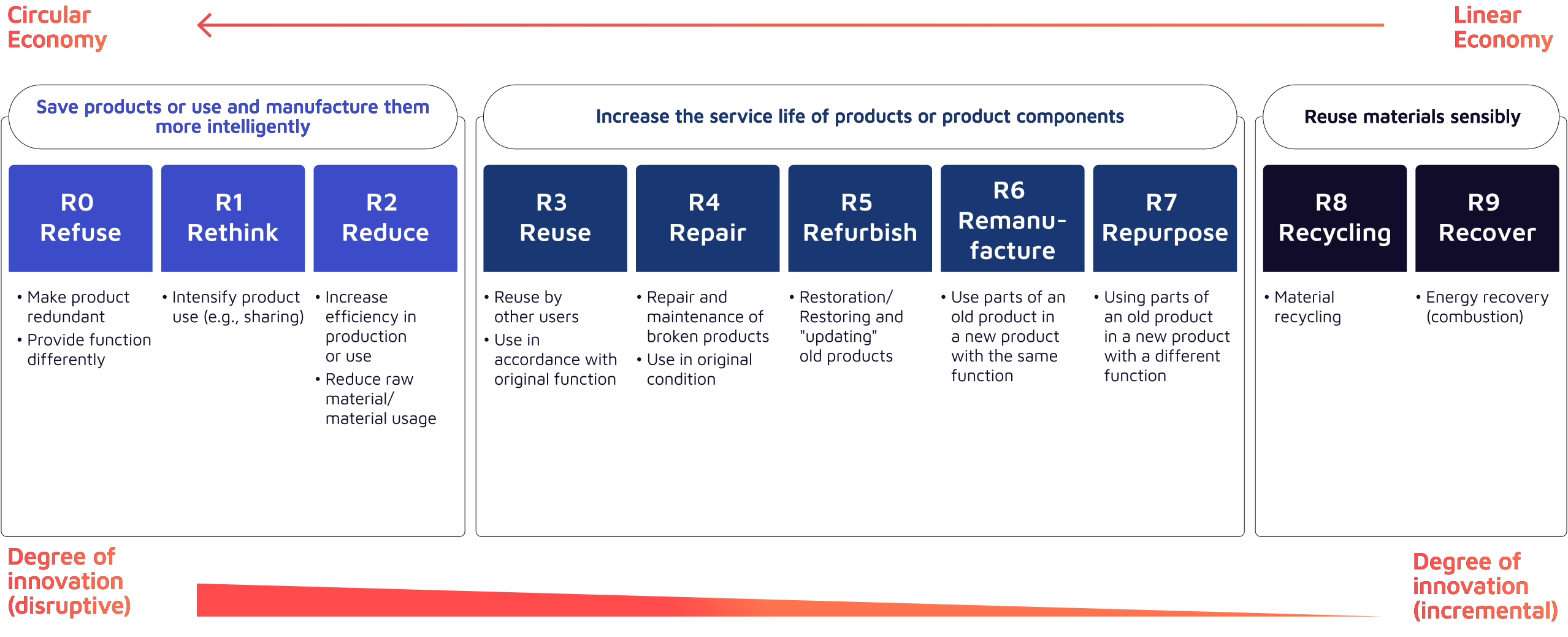
The aim of R-strategies is to reduce resource consumption and keep materials in circulation for as long as possible. The 10 Rs are divided into three basic categories, which reflect the length of the waste cycle and complement each other:
Resource consumption is to be reduced through smarter product design, use, and manufacturing, narrowing the loop from the outset. The first R strategy, Refuse (R0), aims to rethink the use of a product in general (simple example: Do you have to travel a distance by car, or is walking an alternative?). Recup (return of beverage cups) is a good example of Rethink (R1) to increase the intensity of use of a product and thereby reduce resource requirements. Process optimizations are an essential lever in the context of Reduce (R2). This can be achieved either through design adjustments to reduce the material requirements of the end product or through process optimizations to minimize material consumption during manufacturing.
R strategies 3 to 7 aim to use raw materials that are already in circulation for as long as possible. A relatively simple strategy is reuse (R3). This involves passing on or reselling products without making any significant changes, for example through auction platforms such as “classified ads” or flea markets – this greatly extends the service life without significant effort. If a product is no longer usable, the option Repair (R4) can be applied. This involves processing the product in such a way that its original form and functionality are restored. Accordingly, there are more and more public workshops, and companies are also increasingly developing marketplaces for the repair of their products. A further development of Repair is the option Refurbish (R5). In this process, the product is not only repaired, but also optimized and improved in terms of both quality and functionality. While refurbishing involves optimizing the product itself, remanufacturing (R6) only uses those parts of the product that are still in good condition or functional and can therefore be transferred to other products as technical components. In this process, the actual use of a product is altered so that it can be reused elsewhere. This option is often used for fashion products and furniture (e.g., old coffee capsules are used to make watches).
Ideally, materials should be used within the economic system for as long as possible (R3-R7). If this is not possible, the product components should be reused as sensibly as possible. By breaking down products through recycling (R8), secondary materials are obtained that can be used elsewhere – this has a positive effect on the demand for primary materials, which is reduced as a result. If the material can only be used in lower quality and cannot be reproduced 1:1 from the original material, this is referred to as downcycling. The aim is to keep the proportion of secondary raw materials that can be used for new products (percentage of recycled material) as high as possible. An important prerequisite for this is that the product design is geared towards this from the outset. Recover (R9) describes the energetic recovery of waste to obtain useful energy (e.g., through waste incineration plants). Recover does not correspond to the actual cycle of the circular economy and should therefore be used as a last resort if R0-R8 are not possible.
The circular economy can make a significant contribution to sustainability-oriented potential, and even small measures can help. For companies, the 10 Rs in particular are a valuable, structured way of identifying optimization potential and embedding it in business models and processes.
Circular Economy Framework
An end-to-end approach with the following phases has become established for the holistic implementation of the circular economy in companies:
GAP-Analysis
Roadmap & Strategy
Implementation
Based on the opportunities and risks of the circular economy (regulation, ensuring competitiveness, etc.), we work with you to conduct a comprehensive GAP analysis during the strategy and design phase. In doing so, we evaluate whether and to what extent regulatory requirements apply to your company and are being complied with. This allows us to determine the company’s level of maturity with regard to the circular economy – an essential basis for deriving a vision, goals, and measures. The necessary framework conditions – governance and reporting, conception of the business model, derivation of a reporting strategy, and creation of a digital tool landscape to create transparency in the value chain – are developed in the roadmap and strategy phase. After the conceptual preparations, concrete measures are finally implemented in the implementation phase, e.g., life cycle assessments, (further) development of the business model based on the 10Rs, or introduction of a digital product passport. The measures for implementing the circular economy are closely related to the other topics covered by valantic’s range of services – decarbonization and climate protection, sustainable supply chains, data analysis and tool selection, EU taxonomy, and ESG reporting.
Marco Fuhr
Managing Consultant
valantic
Jan Laakmann
Partner
valantic
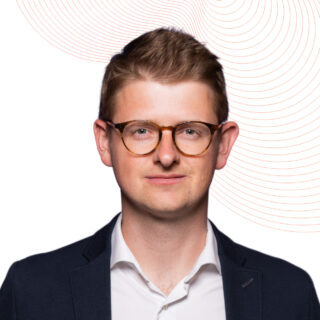
Dr. Jens Lehnen
Principal
valantic
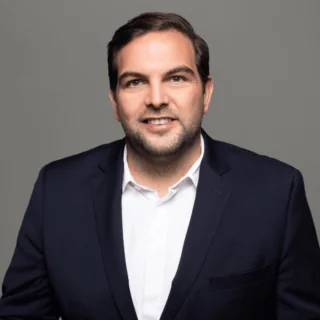
Sebastian Badaghlou
Partner & Managing Director
valantic