Highlight

Successful together – our valantic Team.
Meet the people who bring passion and accountability to driving success at valantic.
Get to know usOmnichannel Marketing in Sports Retail
The Munich-based sporting goods retailer is working with valantic’s Customer Experience Team to build a central customer database and automate lifecycle communications. Faster business impact through a clear MVP approach instead of a years-long, massive project.

Challenge
Sporthaus Schuster is known for its high-quality advice and strong customer loyalty—both in-store and online. At the same time, due to structures that had evolved over time, data was fragmented and processes were largely manual. As a result, it was difficult to engage customers in a consistent, personalized, and efficient manner. Existing customers were not being targeted effectively enough, and existing loyalty potential remained untapped.
Consulting Approach
Together with valantic, Sporthaus Schuster adopted a clear, pragmatic approach to transformation: an MVP project instead of a massive undertaking. The goal was to quickly transition from isolated campaigns to a data-driven, automated customer journey.
Customer Benefits and Solution
Implementation of an integrated database and a modern marketing platform based on Salesforce, thereby transitioning from campaign-based marketing to automated customer lifecycle journeys.
Sporthaus Schuster is one of Germany’s most long-established specialty sports retailers and has been a fixture on Munich’s cityscape for generations. The family-run business is known for its expert advice and carefully curated selection, complemented by a growing e-commerce business.
At the flagship store near Marienplatz, customers can explore a comprehensive selection of products for mountaineering and outdoor sports, skiing, running, cycling, and sports fashion across multiple floors. Expert staff with personal sports experience provide personalized advice. Sporthaus Schuster consistently extends this commitment to its digital channels.
In doing so, the company positions itself as an omnichannel retailer that combines the in-store experience with data-driven online communication. The goal is to deliver a consistent customer experience across all touchpoints.
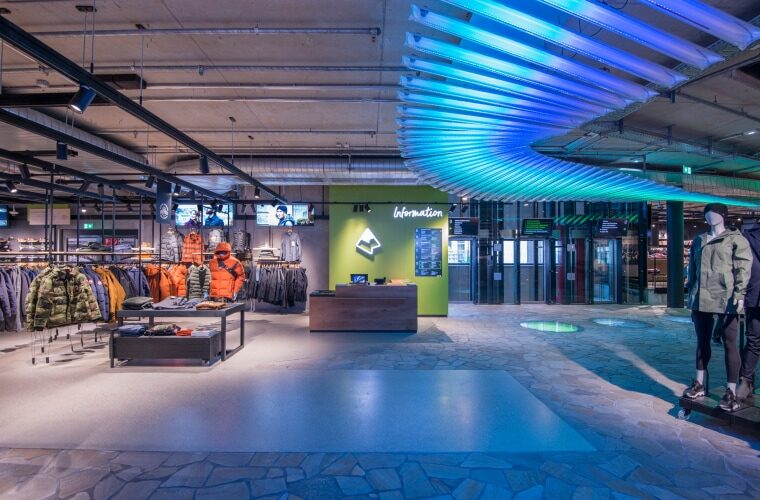
Sporthaus Schuster combines brick-and-mortar retail with a growing e-commerce business. In terms of marketing, the company presented the familiar picture of a retailer that had evolved over time: customer data was scattered across various systems, campaigns were managed manually, personalization was limited, and cross-channel customer journeys were lacking. True omnichannel marketing was not feasible under these circumstances.
Communication with existing customers was particularly critical. Schuster successfully acquired customers but did not systematically engage them after their initial purchase. As a result, existing loyalty potential remained untapped.
The target vision was clearly defined. Sporthaus Schuster wanted to engage existing customers more actively, enable personalized communication throughout the entire customer journey, and achieve rapid business impact through focused use cases. Additionally, the marketing architecture needed to be scalable to meet future requirements such as loyalty programs and real-time personalization.

MVP Instead of a Mammoth Project – Omnichannel Marketing in Three Months
Together with valantic, Sporthaus Schuster opted for a pragmatic approach to transformation. Instead of lengthy planning phases, they prioritized a few promising use cases and implemented them quickly to achieve visible results. The process was designed to be iterative. The clear goal: to make the leap from isolated campaigns to data-driven, automated omnichannel marketing throughout the customer journey.
Technologically, the choice fell on Salesforce Marketing Cloud Next, supported by the Salesforce Data Cloud as the central database. This laid the foundation for consolidated customer data from the online store and marketing, more precise segmentation via Golden Records, and automated, trigger-based communication across all relevant channels.
Implementation and Use Cases
Three key scenarios for omnichannel marketing were already implemented in the MVP:
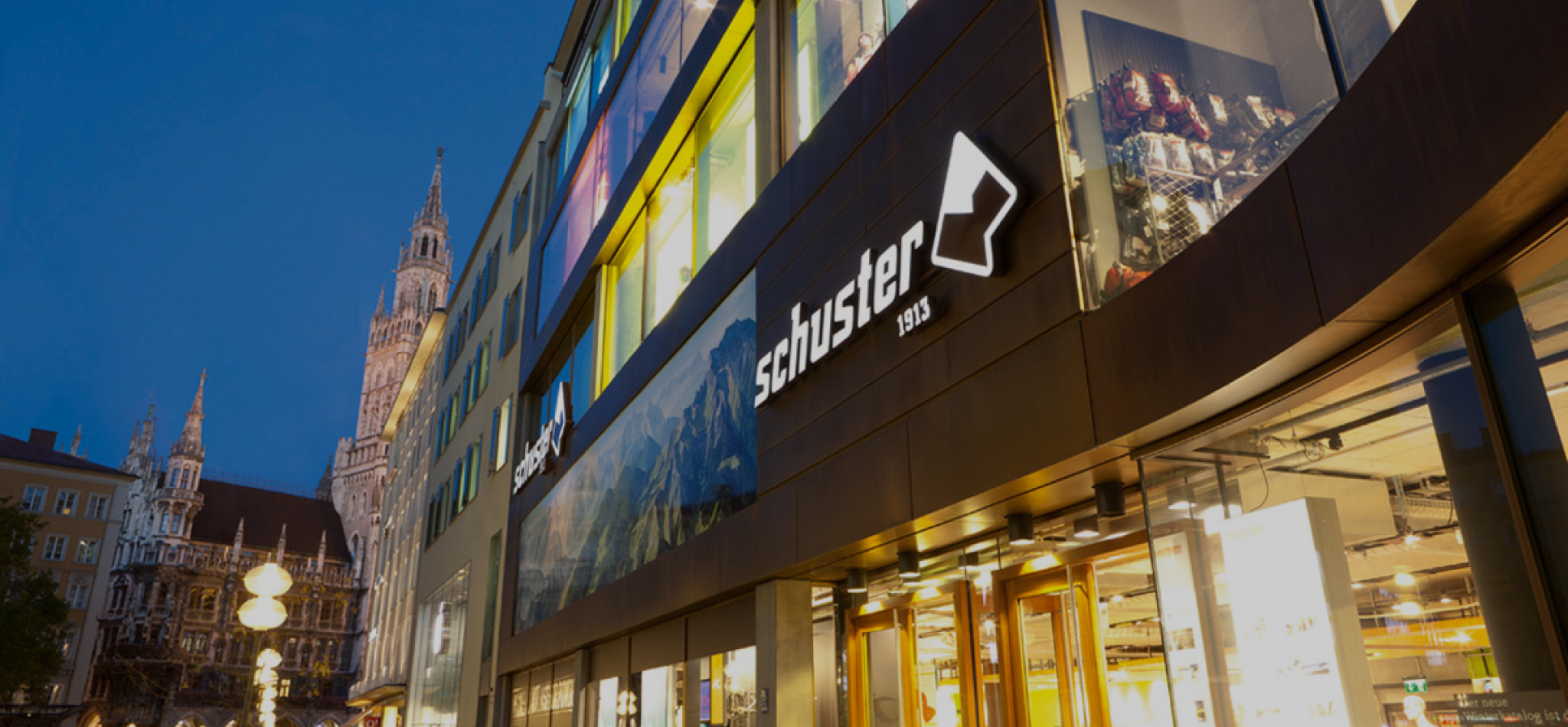
With the MVP go-live after three months, Sporthaus Schuster has completed the transition from campaign-driven to journey-based omnichannel marketing. Customer engagement is now context-specific rather than generic. An abandoned shopping cart triggers a relevant prompt. A prolonged break in purchasing activity leads to a reactivation. Previous purchasing behavior drives the next product recommendations.
The consolidated database—spanning previously separate systems—significantly improves segmentation. Using this data, the marketing platform orchestrates automated, trigger-based journeys that run without manual intervention and can be iteratively expanded during operation.

Go-live in 3 months
An MVP approach focused on time-to-value rather than a concept project that takes years
Orchestrated Omnichannel Marketing
“Add to Cart,” “Lifecycle,” and “Existing Customer” triggers replace manual campaign marketing.
Consolidated Customer Data
Golden Records from previously fragmented sources.
Greater Relevance in the Message
Context-based communication instead of generic mass mailings
Communication with Existing Customers in Compliance with the UWG
Product recommendations based on purchasing behavior, in full compliance with data protection laws.
More Precise Segmentation
Target group management via the central database.
Sturdy Foundation
Architecture designed to meet future requirements such as loyalty programs, couponing, and real-time personalization.
The foundation that has been laid paves the way for further development. Sporthaus Schuster aims to expand its loyalty programs and couponing initiatives as growth drivers, further develop the platform toward real-time data processing, and gradually expand its omnichannel marketing efforts.