Highlight

Successful together – our valantic Team.
Meet the people who bring passion and accountability to driving success at valantic.
Get to know usThis website is also available in your language.
About
Highlight
Successful together – our valantic Team.
Meet the people who bring passion and accountability to driving success at valantic.
Get to know usAbout
Highlight
Successful together – our valantic Team.
Meet the people who bring passion and accountability to driving success at valantic.
Get to know usOur mission: Digital excellence for our customers.
With in-depth know-how, clear values, and a vibrant corporate culture, we shape digital transformations that make a real impact.
Careers
Careers
Highlight

Female Digital Impact
Women are increasingly shaping the IT industry – at valantic, we create opportunities together and promote talent so that diversity becomes a strength.
Turn your vision into realityCareers
Highlight
Female Digital Impact
Women are increasingly shaping the IT industry – at valantic, we create opportunities together and promote talent so that diversity becomes a strength.
Turn your vision into realityCareers at valantic – making a difference together.
Are you looking for a professional environment with challenging digital projects for renowned clients? You're in the right place.
September 2, 2025

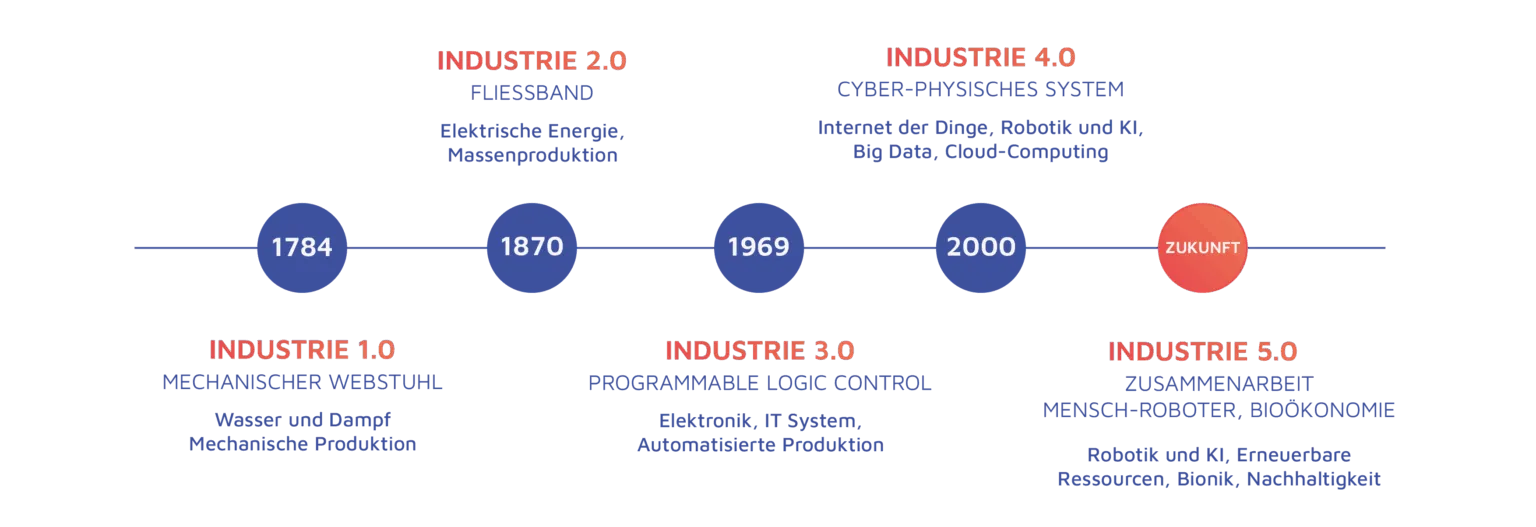
Industry 4.0 has transformed manufacturing through automation, connected machines, and big data, driving efficiency and productivity. The next stage, Industry 5.0, shifts the focus: Progress now depends not only on machines and data, but on human-technology collaboration. The emphasis moves from pure automation to individualization, sustainability, and human-centered innovation.
Industry 5.0 places human needs and potential at the core. Assistance systems, AI, and collaborative robots (“cobots”) take over routine tasks, freeing up employees’ time to apply creativity and problem-solving skills.
Companies benefit on two fronts: greater productivity and the ability to deliver tailored solutions. This human–technology symbiosis lays the foundation for sustainable competitiveness.
Smart services are data-driven offers that link physical products with digital platforms. They allow companies to deliver customized services in real time – from predictive maintenance to personalized recommendations. In doing so, the traditional product evolves into a service ecosystem that creates lasting value for customers. Thus, at the core of Industry 5.0, smart services drive true customer centricity.
The shift to Industry 5.0 is not just about introducing new technologies. It also requires reimagining business models. Instead of one-time product sales, companies must embrace sustainable platforms and subscription models. Customers now expect flexible, personalized solutions, and those who deliver them gain new revenue streams and lasting customer loyalty.
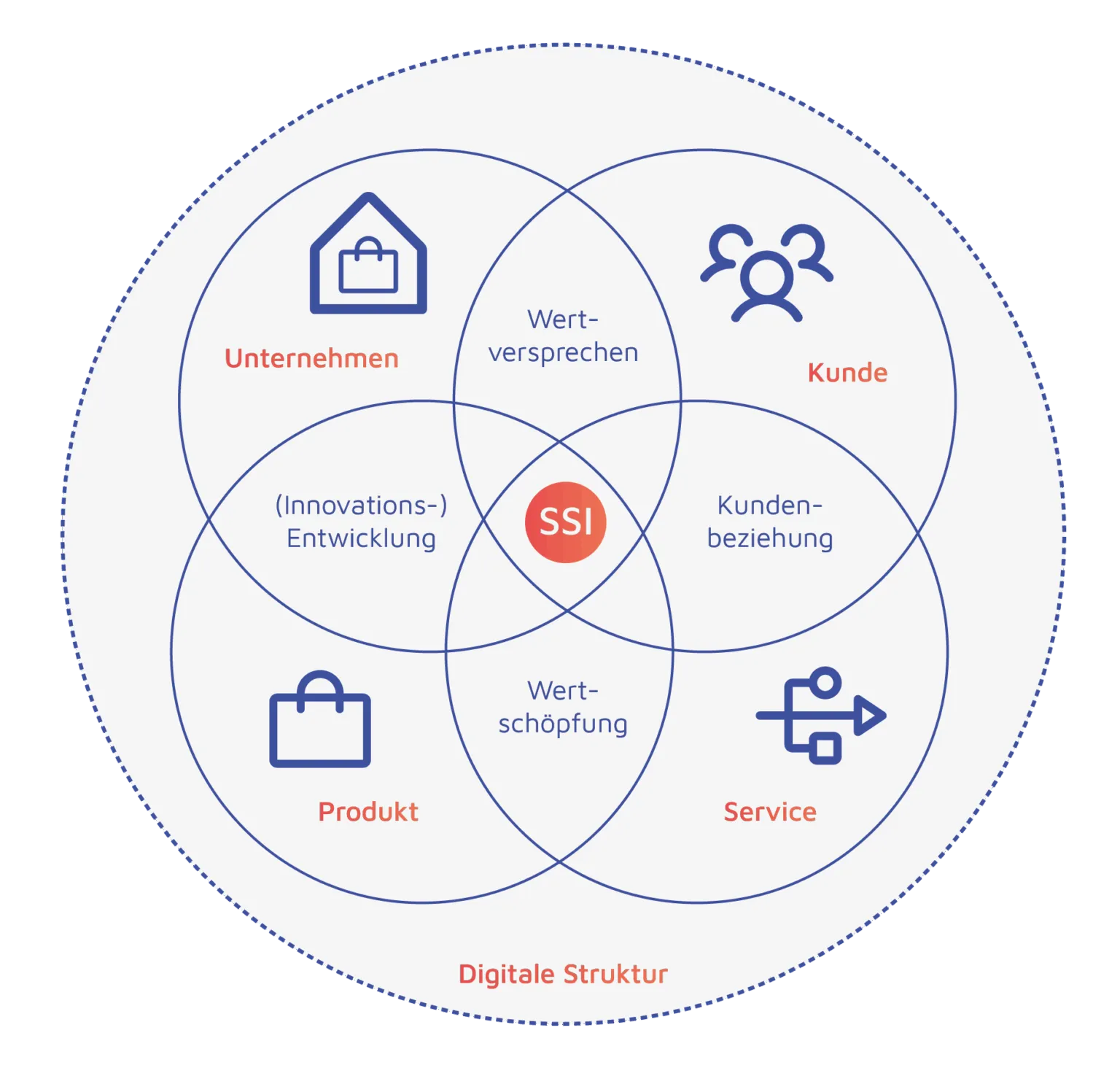
Integrating Industry 5.0 is a strategic move that requires technological expertise, data literacy, and an open culture. Companies must invest in smart services, AI, and digital ecosystems to make processes more flexible and customer-focused. This transformation from product provider to smart service partner is essential for long-term success in a data-driven, sustainability-conscious economy.

Subscribe to our newsletter now and stay up to date!
In our Digital Now! Newsletter, you can expect a selection of interesting blog posts, inspiring white papers, informative webinars, and exciting news on a regular basis.
Don't miss a thing.
Subscribe to our latest blog articles.