Highlight

Successful together – our valantic Team.
Meet the people who bring passion and accountability to driving success at valantic.
Get to know usvalantic viewpoint
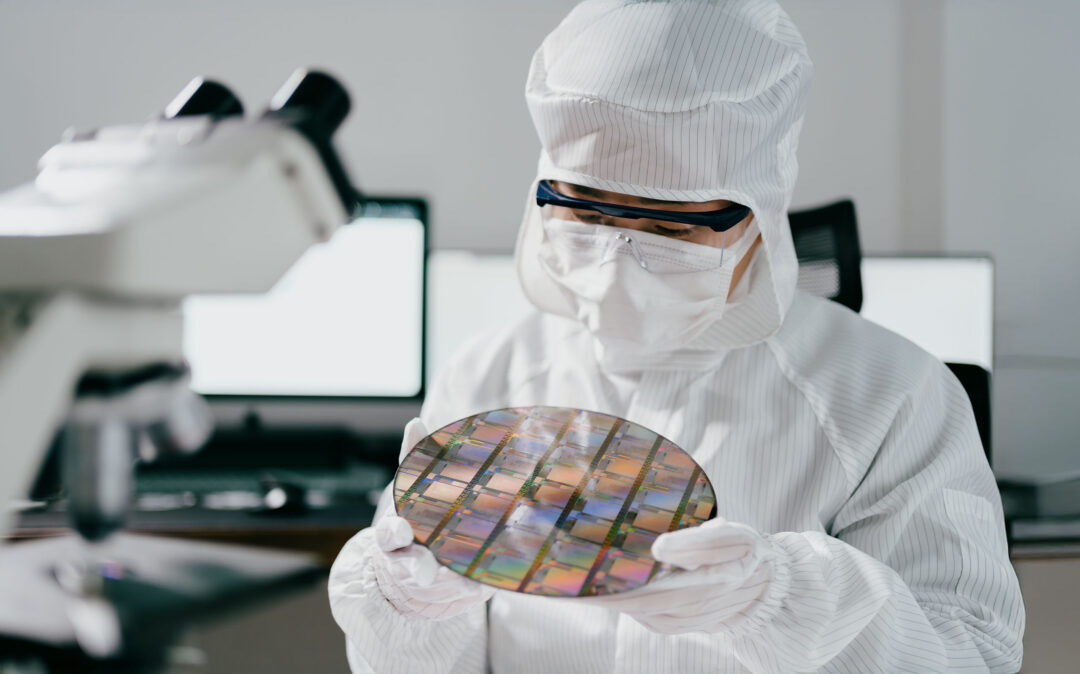
Miniaturized medical electronics are characterized by reliability, regulatory compliance, and OEM integration in critical healthcare applications.
This is an excerpt of our viewpoint on Medical Microelectronics Manufacturing. Get in touch if you would like to learn more about the market dynamics, business model, competitive landscape and growth drivers in this market.

Executive Summary
The industry for medical microelectronics is defined by the need of extreme precision and high reliability, with miniaturized printed circuit boards (PCBs) and specialized plating processes at its core. Demand has accelerated due to the rising use of implantable devices, wearable health monitors, and robotic-assisted surgery systems. While niche-focused firms benefit from premium pricing and deep OEM integration, scale-driven multinationals compete on cost efficiency.
The market structure is therefore shaped by dual dynamics: highly specialized suppliers capturing value in regulated, failure-intolerant niches, and global players scaling production in adjacent industries such as aerospace or industrial electronics. Geographic clusters in DACH, North America, and Asia concentrate R&D and procurement. Investors face opportunities in innovation-led, high-margin segments, but must account for capital intensity, geographic cost structures, and evolving certification requirements.
Miniaturization capabilities are critical for implant-grade electronics and OEM lock-in.
Value chain control, particularly plating and finishing, drives defensibility and margins.
Certification gaps pose expansion risks for specialized firms.


Khalid Ouaamar
valantic Managing Director
”Medical microelectronics has become a strategic bottleneck, where reliability, compliance, and miniaturization define investment attractiveness.“
Medical microelectronics has increasingly shifted toward ultra-fine PCB structures below 30 micrometers, supporting implants, hearing aids, and robotic surgery. Rising demand for wearables and diagnostic electronics further expands applications. Global growth is projected at ~7% CAGR, with regulated niches outperforming. Beyond implants, medical robotics and connected care devices are accelerating the need for ever-smaller, more reliable circuits. This trend is reinforced by demographic shifts, as aging populations fuel demand for long-term, minimally invasive treatment solutions. The combination of clinical reliability, miniaturization, and usability makes this market both resilient and structurally attractive to investors.
Key Takeaways:

The competitive landscape is structured along four main archetypes. In the MedTech precision cluster, STG, Dyconex, Somacis, MST, AT&S Korea, TechEtch, and Optiprint focus on high‑complexity, high‑specialization work, supplying implant‑grade and surgical‑robotics PCBs and co‑developing designs with device makers. Multi‑niche high‑tech players such as Varioprint, KSG, Cicor, Multek, and ILFA straddle MedTech, aerospace, defense, and other mission‑critical sectors, using shared high‑reliability capabilities for fast prototypes and mid‑volume production. Regional European generalists including Würth Elektronik and Schweizer generate most revenue in automotive and industrial electronics and treat MedTech as an add‑on, competing on speed, local support, and engineering flexibility rather than maximum complexity. At the global high‑complexity end, multinationals like TTM Technologies, AT&S, and Sanmina leverage worldwide PCB and EMS footprints to scale niche MedTech designs into cost‑competitive serial production
Key Takeaways:

Most specialized players control design enablement, fabrication, and plating, but not full system integration. This ensures reliability and regulatory compliance while creating long-term customer lock-in. However, lack of turnkey offerings limits upsell potential. Value chain control is particularly important in medical electronics, as biocompatibility and durability cannot be compromised. And by owning sensitive steps such as plating and surface finishing, firms can guarantee consistency and reduce supplier risk for OEMs. This partial but highly critical integration explains why specialized players achieve premium pricing despite higher cost locations.
Key Takeaways:

Future growth depends on certification upgrades, expansion into adjacent aerospace and industrial niches, scaling into APAC markets, and continued investment in next-gen substrate and plating technologies. Capex intensity remains high but essential. Obtaining ISO 13485 certification is a crucial step for suppliers looking to access Class III implant programs, which offer sticky, long-term revenue. Geographic diversification into Asia provides exposure to faster-growing MedTech ecosystems, though local barriers to entry remain significant. Finally, sustained innovation in substrate-like PCBs and ultra-fine plating is required to defend technical leadership and pricing power in the long run.
Key Takeaways:
Want the full breakdown? The full viewpoint on Medical Microelectronics Manufacturing is available on request. The typical scope includes market size, market trends & drivers, competitive landscape, competitor groups, competitor benchmarks, explanation of the business model, value chain and future growth levers.

Christoph Nichau
Partner & Managing Director
Private Equity Practice

Jan Dingerkus
Partner & Managing Director
Private Equity Practice

Khalid Ouaamar
Managing Director
Private Equity Practice