Highlight

Successful together – our valantic Team.
Meet the people who bring passion and accountability to driving success at valantic.
Get to know usvalantic viewpoint
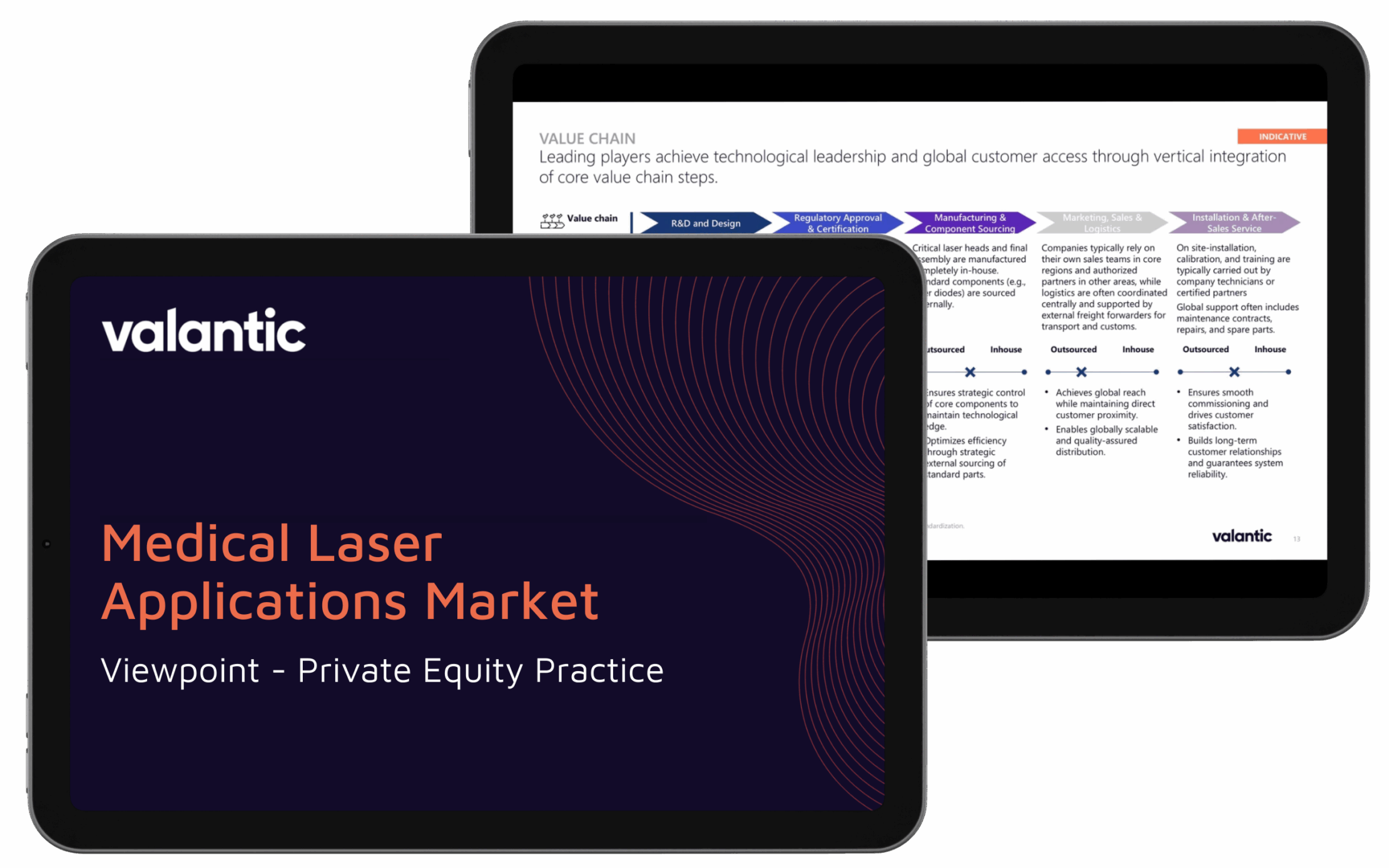
Medical laser applications are redefining oncology, diagnostics, and surgery with precision-driven technologies and integrated workflows.
This is an excerpt of our viewpoint on Medical Laser Applications. Get in touch if you would like to learn more about the market dynamics, business model, competitive landscape, and growth drivers in this market.

7%
CAGR is expected for medical laser applications, driven by rising adoption in oncology and surgery.
$10bn
estimated global market size for medical laser technologies by 2030.
35%
adoption rate for minimally invasive procedures using lasers in advanced hospital settings.

Khalid Ouaamar
valantic Managing Director
”Precision lasers unlock full value when integrated into clinical workflows through software, enabling resilient recurring revenues from services, consumables, and digital solutions.“
Executive Summary
Medical laser systems are becoming essential enablers of precision medicine. Within oncology and radiotherapy, they are no longer stand-alone devices—they are embedded into complex clinical workflows alongside imaging, positioning, and treatment planning systems. The industry is transitioning toward integrated platforms and software-enhanced solutions, with recurring service models gaining prominence.
Competition is intensifying as new entrants from imaging, digital health, and AI-powered software enter the field. Players able to combine hardware, software, and services into defensible ecosystems are best positioned for value creation. Meanwhile, Asia-Pacific is emerging as a high-growth region amid rising investment in oncology infrastructure.
Clinical integration shapes adoption: Medical lasers are becoming workflow platforms, with precision and interoperability driving uptake in radiotherapy.
Recurring revenue builds resilience: Hardware gives way to software, service, and consumables, creating stickier, higher-margin models.
Growth fueled by M&A: Future leaders will expand geographically and broaden product portfolios through targeted acquisitions.
The medical laser landscape is undergoing structural change. Radiotherapy continues to anchor demand, but market expectations have moved far beyond simple beam alignment. Clinical buyers now prioritize system-level precision, workflow integration, and interoperability across treatment phases. Sub-millimeter accuracy and seamless user experience are becoming defining purchase criteria.
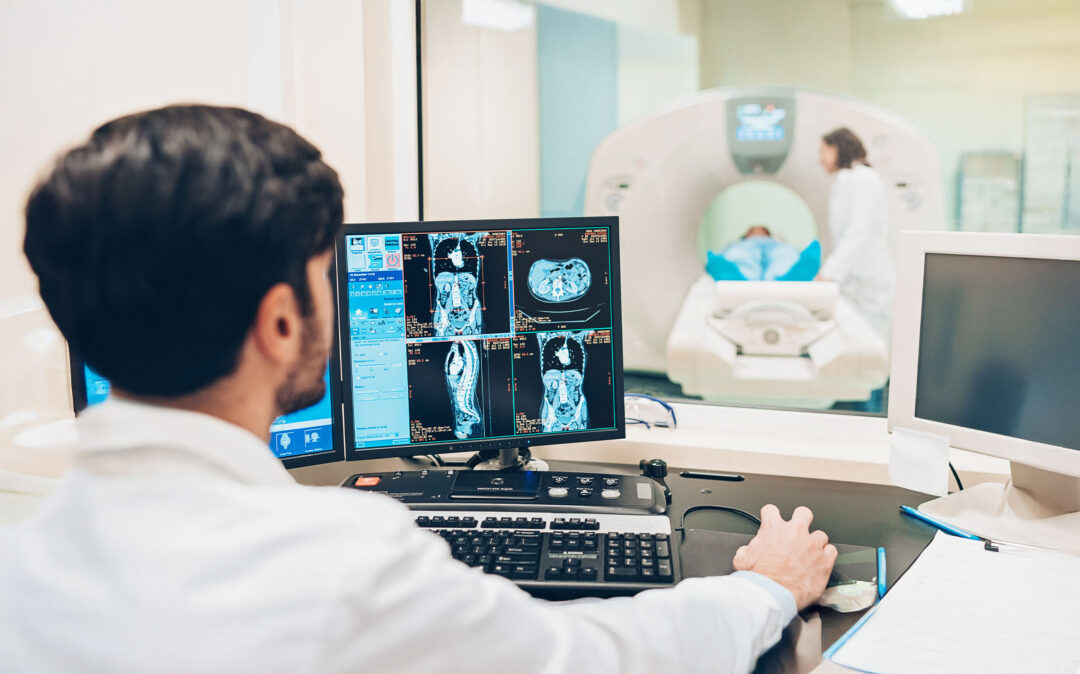
Importantly, this transformation is expanding the strategic footprint of the category: lasers are increasingly integrated with imaging modalities, SGRT systems, QA software, and even cloud-based planning tools. The boundaries between laser hardware and software-enabled treatment support are dissolving.
While North America and Europe still lead in installed base, emerging markets such as e.g., Asia-Pacific are scaling, especially in countries building new radiotherapy infrastructure. The market is no longer defined by equipment – it is defined by clinical outcomes, integration depth, and platform control.
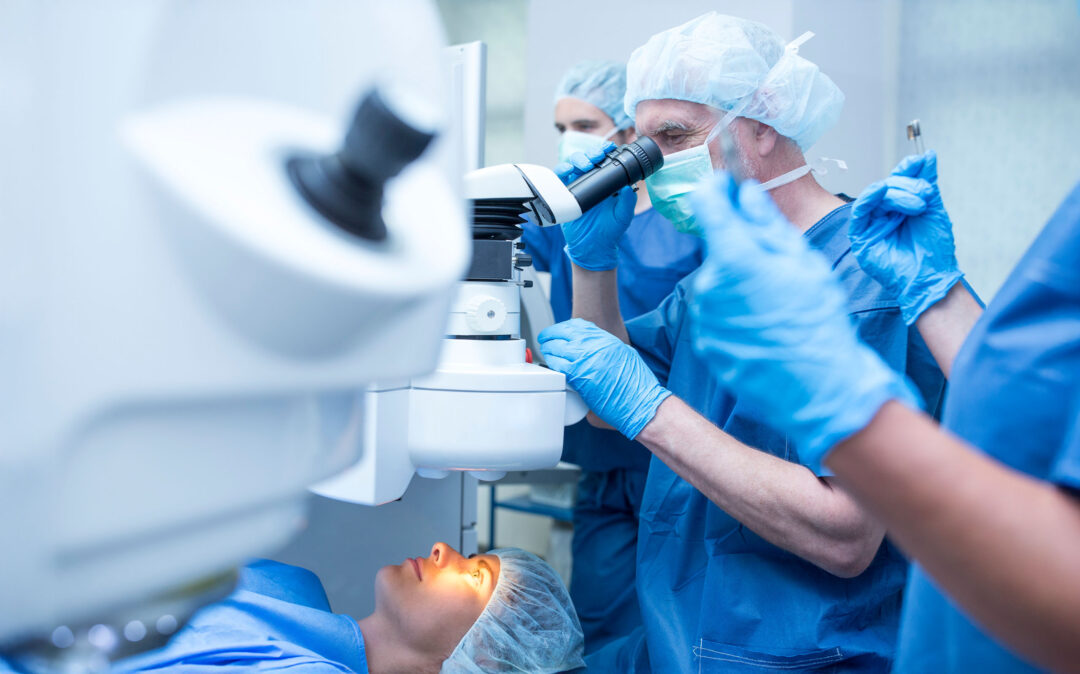
Adoption is fueled by demand for accuracy and reproducibility in treatment. Sub-millimeter precision is essential in oncology, while shorter recovery times make lasers attractive in surgical settings. Hospitals also favor integrated workflows that reduce treatment time and errors. Recurring revenues from service contracts and accessories balance out long procurement cycles. Regulatory momentum is strong, with over 60 new devices cleared by FDA and CE in recent years, signaling robust innovation.
Key Takeaways:
25 % faster recovery vs. conventional surgery
Recurring revenue streams offset long purchasing cycles

The market is structured around three groups: specialists offering turnkey solutions with deep expertise, broad integrators covering multiple industries, and component suppliers providing high-precision parts. Specialists remain most defensible thanks to clinical focus and workflow integration. Integrators benefit from scale but often lack depth, while component suppliers stay niche. Competitive intensity is rising as new entrants from imaging and digital health push into this space, ensuring ongoing innovation but also setting the stage for consolidation.

The shift toward recurring revenue models is reshaping value creation in medical lasers. Equipment sales are being augmented—and in some cases displaced—by service contracts, software upgrades, and AI-enabled applications. Customers increasingly expect ongoing value beyond installation: calibration, remote support, and workflow enhancements are becoming standard.
Consumables are also gaining strategic relevance. Immobilization masks, indexed cushions, and positioning accessories offer high-frequency replacement cycles and ecosystem lock-in effects. For investors, this evolution supports margin expansion, customer stickiness, and predictable cash flows.

Future growth will rely on a combination of organic innovation and targeted acquisitions. Leading players are pursuing three strategic vectors. First, software innovation is expanding into adaptive radiotherapy and QA solutions, enabling automation and differentiation through auto-contouring, deformation tracking, and AI-based anomaly detection. Second, platform extensions such as surface-guided radiotherapy (SGRT) and AR/VR overlays enhance precision and usability, supporting hybrid workflows and repositioning providers from hardware suppliers to clinical innovation partners. Third, strategic international M&A remains a key lever, with targeted acquisitions of local service or distribution partners unlocking faster access to tenders, licensing, and in-market support in foreign markets.
Want the full breakdown? The full viewpoint on Medical Laser Applications is available on request. The typical scope includes market size, market trends & drivers, competitive landscape, competitor groups, competitor benchmarks, explanation of the business model, value chain and future growth levers.

Christoph Nichau
Partner & Managing Director
Private Equity Practice

Jan Dingerkus
Partner & Managing Director
Private Equity Practice

Khalid Ouaamar
Managing Director
Private Equity Practice