Highlight

Successful together – our valantic Team.
Meet the people who bring passion and accountability to driving success at valantic.
Get to know usvalantic Viewpoint
The digital rehab market is transforming post-acute care delivery through scalable SaaS platforms, regulatory integration, and hybrid care models. Key trends like therapist shortages and cost pressures are driving adoption of innovative solutions.
This is an excerpt of our viewpoint on the digital rehab market. Get in touch if you would like to learn more about the market dynamics, business models, competitive landscape, and growth drivers in this market.

~7%
CAGR: Projected growth rate for digital rehabilitation solutions
240 clinics
onboard digital rehab platforms nationwide
~14%
of rehabilitation clinics currently utilize digital solutions, highlighting significant growth potential
Executive Summary
The digital rehabilitation market is shaped by regulatory tailwinds, healthcare cost pressures, and an aging population. These factors drive demand for scalable post-acute care solutions that integrate into statutory healthcare systems. Platforms in this market address a variety of medical indications, including orthopedics, neurology, and cardiology, while leveraging technology to improve care efficiency and accessibility.
Leading players in this space operate within a framework characterized by deep integration into regulatory structures, multi-indication coverage, and hybrid care delivery models. Competitive dynamics reveal differentiation through integration capabilities, cross-indication scalability, and partnerships with statutory insurers. Growth levers include expanding clinic partnerships, leveraging AI for efficiency gains (e.g., motion tracking), and targeting preventive care markets.
This market offers significant white-space potential as only ~14% of clinics currently adopt digital solutions. With increasing digital readiness in healthcare systems globally, the market is poised for sustained growth.
Regulatory integration drives adoption of scalable rehab platforms in statutory healthcare systems.
Hybrid tech-human models improve adherence and clinical outcomes while reducing costs.
Multi-indication platforms enable providers to diversify revenue streams effectively.


Khalid Ouaamar
valantic Managing Director
”Regulatory alignment is redefining the scalability potential of digital rehab solutions.“
Digital rehabilitation solutions are increasingly addressing structural challenges in healthcare systems. Regulatory frameworks such as DRV and GKV in Germany have created strong pathways for adoption, allowing platforms to integrate seamlessly into statutory systems. These solutions are emerging as cost-effective alternatives to traditional rehabilitation methods, especially as aging populations and chronic conditions drive demand for long-term care services. Therapist shortages further amplify the need for scalable remote support models that maintain care quality while reducing operational strain on healthcare providers. Embedded platforms with multi-indication coverage offer efficient delivery of structured care across therapy areas, positioning them as critical components of sustainable healthcare strategies.
Key Takeaways:

The digital rehabilitation market is driven by five forces enabling rapid adoption and innovation. Regulatory advancements, such as DRV/GKV reimbursement frameworks, have eliminated barriers to implementation, while high digital readiness among patients and providers allows for seamless integration of technology into workflows. Cost pressures on healthcare systems push providers toward sustainable models that reduce expenses while improving adherence rates. Therapist shortages necessitate scalable solutions like remote care tools to bridge capacity gaps. Finally, demographic trends such as aging populations and rising chronic conditions amplify the need for continuous post-acute care services beyond initial interventions.
Key Takeaways:

The competitive landscape includes fully integrated platforms dominating regulated markets due to their payer alignment and clinical workflow integration. These platforms often offer multi-indication coverage alongside hybrid models combining human therapists with tech-enabled tools. Competitors also include self-guided apps targeting single indications with limited clinical linkage, large rehab groups developing proprietary solutions to reduce dependency on external providers, and niche offerings funded through pilot programs or private-pay channels. While fully integrated solutions set benchmarks in regulated markets, others focus on niche services or alternative funding streams but face scalability challenges without broader regulatory approval.
Key Takeaways:
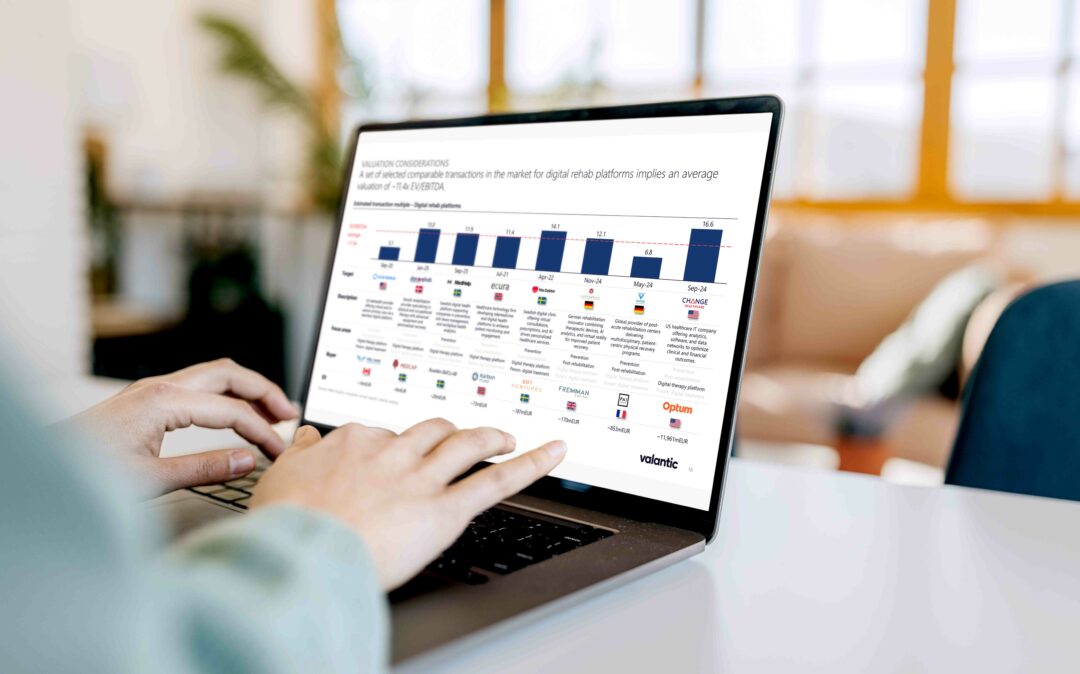
Digital rehabilitation platforms operate primarily on a B2B SaaS model, offering scalable solutions to clinics, hospitals, and insurers. Revenue streams typically include monthly software subscription fees, therapy reimbursements from statutory health insurers, private insurance billing, and out-of-pocket payments. Platforms often provide white-label options for clinics to maintain their branding while leveraging the technology. The value chain spans software development, regulatory compliance, patient onboarding, therapy plan design, therapy execution via apps or therapist portals, outcome tracking, and billing support. Comprehensive integration into clinical workflows ensures seamless adoption and scalability.
Key Takeaways:

Growth levers include expanding clinic partnerships beyond current penetration (~14 %), deploying AI-driven tools to scale therapist productivity (~25 %), and entering preventive care markets through new modules like DigiFlex rehab tools set to launch soon. Targeting non-digitized clinics represents a significant opportunity to increase market share among providers yet to adopt digital solutions. AI functionalities such as motion tracking enhance scalability while maintaining quality standards in therapy delivery processes. Preventive modules unlock additional revenue streams by addressing early-stage intervention needs among target demographics, supporting long-term health outcomes and sustained growth.
Key Takeaways:

Want the full breakdown? The full viewpoint on the Digital Rehab Market is available on request. The typical scope includes market size, market trends & drivers, competitive landscape, competitor groups, competitor benchmarks, explanation of the business model.

Christoph Nichau
Partner & Managing Director
Private Equity Practice

Jan Dingerkus
Partner & Managing Director
Private Equity Practice

Khalid Ouaamar
Managing Director
Private Equity Practice