Highlight

Successful together – our valantic Team.
Meet the people who bring passion and accountability to driving success at valantic.
Get to know usThe Blueprint for Operational Excellence
A Target Operating Model (TOM) is a comprehensive framework that ensures alignment between your strategic goals and operational execution. It defines how functions such as procurement, value creation, and sustainability interconnect and operate cohesively across the organization.

A Target Operating Model serves as the backbone for integrating operations with strategy. It provides structure, transparency, and consistency across systems, processes, teams, and interfaces—ensuring that operational decisions align with organizational goals.
Unlike isolated optimization initiatives, the TOM offers a unifying framework that brings together processes, tools, and people. It operates above functional silos and supports a holistic view of value delivery.
The TOM encompasses:
Processes
Definition and execution of operational workflows
Organizational Structures
Allocation of roles, responsibilities, and reporting lines
Interfaces
Management of collaboration across departments and functions
Data & Tools:
Deployment of digital systems and analytics for better decision-making
Sustainability & Strategy
Integration of long-term ambitions into daily operations
One illustrative example is the Procurement Framework. While Source to Contract, P2P, or Supplier Management are essential processes, they only deliver consistent value when embedded in the TOM’s structured and strategic environment.
The design and implementation of a high-performing TOM starts with answering ten fundamental questions:
Which type of tasks/processes?
Identify key activities across the procurement lifecycle and related functions.
Which segmentation criteria?
Define whether tasks are segmented by product category, geography, business unit, or another relevant dimension.
How many resources are required?
Analyze capacity and optimize resource allocation to balance workload and efficiency.
Which degree of centralization is needed?
Determine whether your operating model should be centralized, decentralized, or hybrid.
Which organizational functions and depth?
Clarify functional responsibilities and the necessary depth of specialization.
At which hierarchy level should decisions be made?
Align roles and responsibilities with appropriate levels of authority and governance.
Who holds decision-making power?
Clearly define accountability and approval rights for different tasks and scenarios.
What form of cross-functional cooperation is required?
Establish how departments collaborate across workflows and functions.
What is the current and target level of digitization?
Evaluate digital maturity and determine which tools and technologies to deploy.
Who are the key players in implementation?
Identify the individuals and teams responsible for designing and executing the TOM.
By systematically addressing these questions, organizations can design a TOM that promotes clarity, drives collaboration, and delivers measurable value.
Tasks and Dimensions
Procurement is a core process dimension within any TOM. A well-structured procurement organization enables cost-efficiency, reliable supply, and resilient operations.
Key Procurement Workflows
Identification of suppliers, negotiation of terms, and finalization of contracts
Tailored procurement activities aligned with project-specific needs and schedules
End-to-end procurement process, from request and approval to order and payment, with full digital integration
Ongoing monitoring of supplier performance and proactive mitigation of operational risks
Integrating these workflows into the TOM ensures alignment with strategic goals and unlocks synergies across departments and business units.
A robust TOM defines how procurement and other operational functions are structured and governed.
Centralization vs. Decentralization
Hierarchy and Governance
The TOM sets clear governance rules by:
A well-defined structure supports strategic clarity, accountability, and operational agility.
Seamless Cross-Functional Collaboration
Strong interfaces are essential to ensure that departments work in sync. The TOM promotes structured collaboration across key operational relationships:
Procurement and Finance
Ensure budget alignment, cost control, and timely payments.
Procurement and Supply Chain
Optimize logistics, manage inventory, and coordinate delivery timelines.
Procurement and Legal
Embed compliance and minimize legal risks in supplier agreements.
Procurement and Operations
Align sourcing activities with production plans and operational demands.
Defined interfaces eliminate friction, reduce handover delays, and foster a culture of transparency and shared ownership.
A Target Operating Model delivers the structure and strategic alignment needed to achieve operational excellence. By integrating essential dimensions—procurement, structures, interfaces, data, and sustainability—a TOM helps organizations operate more effectively and with greater resilience.
Whether you are redesigning your procurement function or optimizing end-to-end operations, TOM provides the clarity and consistency needed for long-term success.

Procurement processes — such as Source to Contract (S2C), Project Procurement, Purchase to Pay (P2P), and Supplier & Risk Management — are critical building blocks for operational success. However, their true potential is only realized when embedded within a broader framework that links individual activities to strategic direction.
At the heart of this framework lies the TOM itself: a central blueprint that connects corporate strategy with day-to-day operations. Surrounding this core are five strategic dimensions that enable the TOM to function as an integrated system:
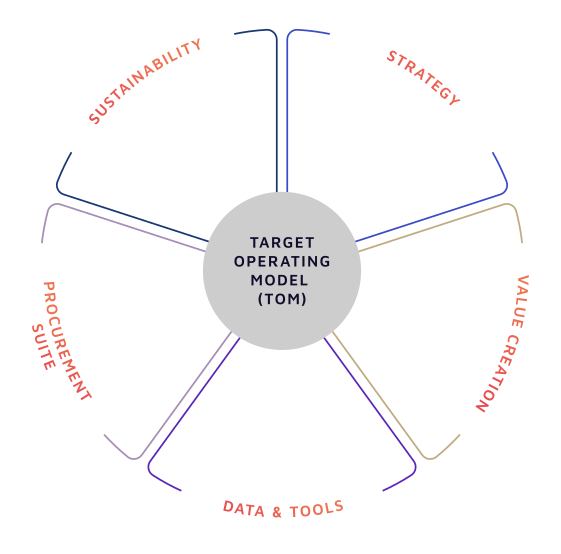

Design and implementation of a future-proof procurement organization tailored to your business model. This involves the strategic alignment of procurement processes with business objectives to optimize efficiency and drive value creation. This includes adaptability to changing market conditions and technological advancements, ensuring long-term resilience and success.
Target Operating Model (TOM)
Development of procurement strategies that are aligned with corporate goals and focused on value creation. This involves establishing clear category strategies and procurement objectives, ensuring that purchasing activities support broader business goals. Additionally, it includes a robust procurement KPI monitoring framework, which is aligned with controlling, to track and optimize performance across distinct categories and buyers while adapting to evolving market demands.
Strategy
Realization of cost savings and performance improvements through category-specific know-how and proven best practices for direct and indirect spend. Key enablers for savings include the analysis of price and process cost levers, as well as quantity levers. Success is driven by negotiation expertise, hands-on mentality, and strong market knowledge, ensuring effective engagement with suppliers and continuous optimization of procurement processes.
Value Creation
Integration of advanced tools and analytics to optimize procurement activities and unlock the full value of your data. By leveraging innovative software and analytical capabilities, procurement teams can enhance their strategic decision-making, improve spend visibility, and streamline operations. This data-driven approach empowers organizations to identify opportunities for efficiency gains and foster continuous improvement in procurement practices.
Data & Tools
Implementation of scalable procurement platforms that fully leverage the potential of digital transformation. These platforms enable seamless integration of procurement functions, enhancing transparency and collaboration across the supply chain. By adopting procurement suites, organizations can automate workflows, increase process efficiency, and support strategic sourcing initiatives, ultimately driving value and innovation in procurement operations.
Procurement Suite
Strengthening ESG performance and building sustainable supply chains that meet regulatory and stakeholder expectations. By prioritizing environmentally friendly practices and ethical sourcing, organizations can reduce their carbon footprint and promote social responsibility. Implementing sustainability initiatives helps to mitigate risks, enhance brand reputation, and create long-term value while fostering transparency and accountability throughout the supply chain.
Sustainability
The demands placed on modern procurement are constantly increasing: supply chains are becoming more complex, costs must be reduced, and processes must be made more efficient. AI in procurement offers companies completely new opportunities to identify potential savings, minimize risks, and make strategic decisions faster and on a more informed basis.
Artificial intelligence
Interim management: Flexible management strategies for dynamic times
Interim managers provide short-term leadership, specialist expertise and operational support in times of change or resource constraints.
Contact us to discover how TOM can optimize your operations and unlock measurable business value.
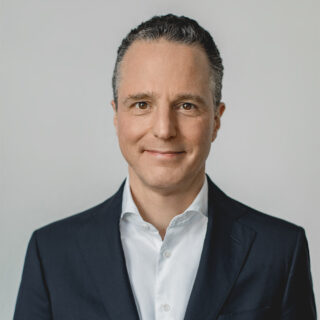
Dr. Bernhard Höveler
Partner & Managing Director
valantic Supply Chain & Procurement Consulting