Highlight

Successful together – our valantic Team.
Meet the people who bring passion and accountability to driving success at valantic.
Get to know usIn economic discourse, sustainable transformation is just as important as digital transformation. After all, an entrepreneurial shift towards sustainable and responsible business practices holds great potential.
Sustainable transformation refers to efforts directed at avoiding future environmental impacts. For instance, a company might set itself the goal of reducing greenhouse gas emissions. At the same time, sustainable transformation aims to enhance positive effects. In line with this thinking, many companies strive for a where the life of raw materials can be significantly extended.
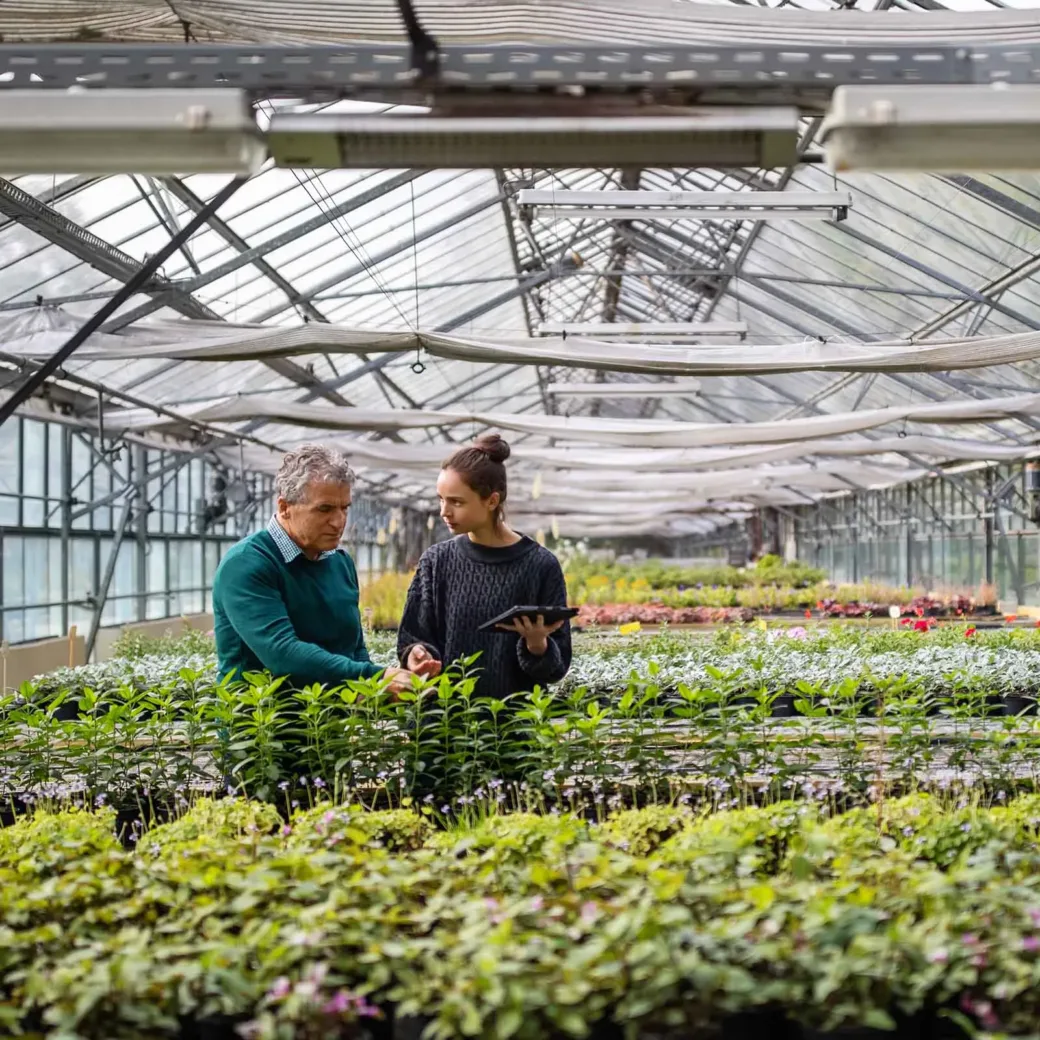
Sustainable business models are not only designed to secure returns for the organization but also to ensure a company’s contribution to society and the environment. In addition, a sustainable approach offers other benefits:

At valantic, we understand the role that business models and sustainability strategies play in such endeavors. We provide insights on how sustainable transformation can succeed.
The business model is the cornerstone of every company. It outlines the relationships and principles of how a business creates value for its customers while at the same time securing revenue. Business models are always developed and evaluated using a process supported by various methods and tools.
Triggers might be:
This is achieved through:
Methods & tools:
These considerations include:
Methods & tools:
From the idea to a marketable business model through:
Methods & tools:
Systematic validation and iteration of business model assumptions:
Methods & tools:
The following measures are taken:
Methods & tools:
How can companies develop an effective sustainability strategy and successfully integrate it into their structures and processes? To do this, companies need to ask themselves some essential questions similar to the approach described above:
Impulse
External factors trigger a review of the business model. Impulses for this review include trends, changing customer requirements, or legal and/or regulatory requirements.
Discover
Vision
Design
Testing
Build & Learn
An effective long-term approach to sustainability is based on a sustainability strategy that must be specifically developed and implemented for each company. This involves defining a measurable vision, mission, and company-wide objectives, using tools such as OKRs (Objectives & Key Results).
In a constantly changing world, a sustainability strategy tailored to the specifics and goals of your company is essential. At valantic, we focus on establishing a bespoke sustainability strategy that includes a clear vision, an inspiring mission, and measurable objectives.
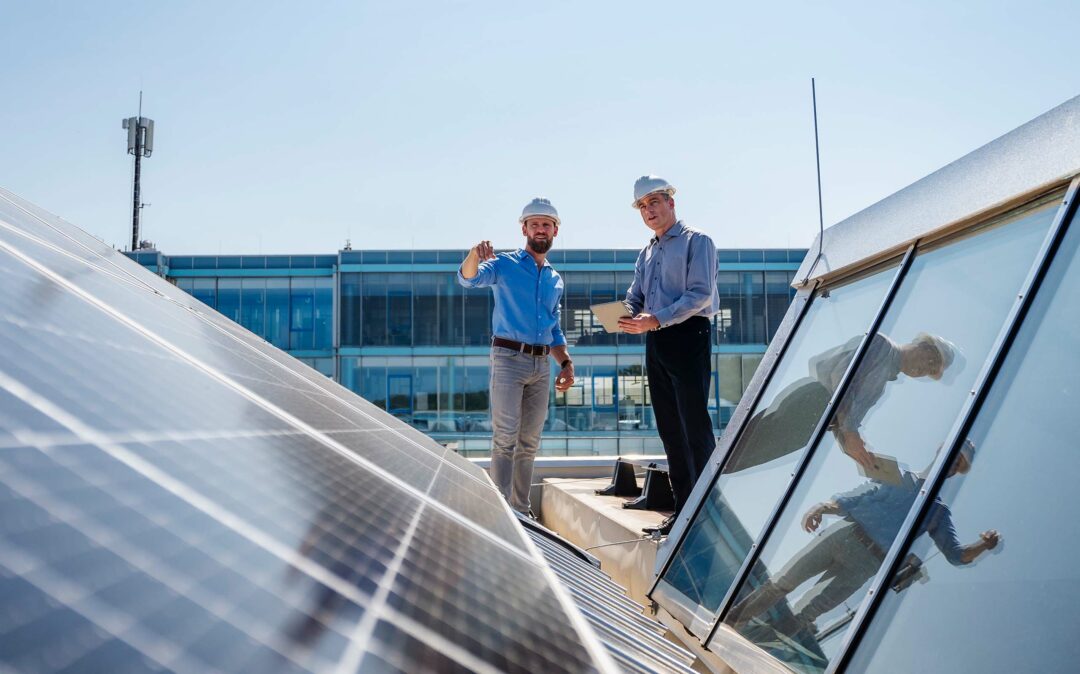
A comprehensive understanding of the internal and external factors that mutually influence a company is essential for defining a sustainability strategy. This is the only way to identify key sustainability issues and set priorities. For this reason, we carry out a comprehensive materiality analysis with you in addition to a stakeholder analysis.
Based on the results of the analysis, we work with you to develop the vision and mission of your sustainability strategy. The vision formulates a long-term, positive change that your company wants to bring about in the world. The mission defines the purpose and values and describes in detail how the vision is to be achieved. At valantic, we work according to the OKR framework (Objectives & Key Results) and are guided by leading sustainability standards such as the Corporate Sustainability Reporting Directive (CSRD), the Global Reporting Initiative (GRI), the Greenhouse Gas Protocol (GHGP) and the Science Based Targets (SBTi). Supply Chain Management and Purchasing in particular play a key role as central drivers in achieving our sustainability goals. In SCM and purchasing processes, it is important to analyze the extent to which suitable sustainability criteria are already taken into account when selecting suppliers, for example, and whether these are also anchored in a binding supplier evaluation model in the strategic sourcing process. In supplier management, for example, it is important to use the right criteria to make visible which suppliers lead to which sustainability aspects or are suitable for close strategic cooperation.


In sustainable product group management and actions, specific product group strategies and sustainability initiatives are derived and prioritized for implementation. Product group initiatives range from optimizing outbound and inbound logistics through improved route planning and the selection of “best emission providers” to switching to sustainable packaging elements and conducting pilots on renewable energies. A step-by-step plan initially guarantees the selection of “quick wins”. These are initiatives that make a particularly large contribution to increasing sustainability performance at a low implementation cost.

This proven framework is a valuable tool in the realm of digital transformation as well as in the field of sustainability strategies, helping to set ambitious goals and manage their effective implementation. These goals encompass all areas of your business, including both short- and long-term priorities.
In addition to developing and evaluating sustainable business models, we also support companies with comprehensive organizational transformation – more specifically, with integrating the sustainability strategy into their business processes. We implement sustainability initiatives and projects that are gradually integrated into your organization and its operational processes. Examples of ecological transformation include calculating the carbon footprint and deriving a reduction path, or introducing a holistic CO2 tool to support these efforts.

In addition to new sustainability processes, structural changes within the organization and raising employee awareness are crucial. We support the development of a sustainable corporate culture that involves key leaders and allocates resources. Our change management consulting approaches include establishing a governance structure, forming a core sustainability team, and appointing sustainability ambassadors.
Through employee training and special workshops, we enhance the skills of employees and reduce resistance to change. This ensures that the sustainable business model is not only dictated by top management but also embraced by all employees who support the company’s goals and values.
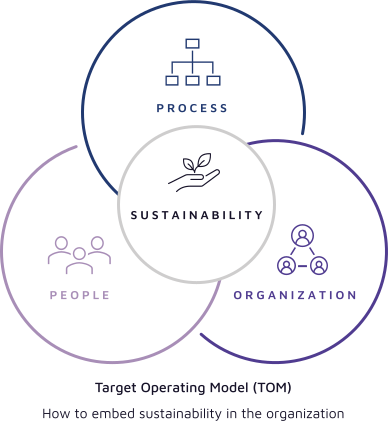
Our valantic approach addresses the three essential areas of processes, organization, and employees, brought together in the Target Operating Model (TOM) concept. Our overarching goal is to ensure that sustainability becomes a central value in all areas of the company in order to achieve a successful sustainable transformation.
The use of artificial intelligence (AI) offers companies powerful opportunities to implement their ESG strategies efficiently and effectively. AI enables organizations to analyze complex datasets more quickly and accurately, generating robust insights that support precise decision-making — strengthening both sustainability efforts and long-term business performance.
Key areas where AI accelerates transformation:
Data analysis
AI helps companies collect, analyze, and leverage comprehensive sustainability data. With advanced AI models, emissions can be calculated in real time and accurate reduction pathways can be developed. This allows companies to make informed strategic decisions and reach their sustainability targets more quickly.
Forecasting
AI-driven forecasts make it possible to simulate the environmental and economic impacts of new sustainability measures and business strategies in advance. This enables companies to align their strategies more effectively with current data and projected developments.
Business model optimization
AI significantly simplifies the development and refinement of sustainable business models. AI-powered tools can automatically analyze relevant market, technology, and industry trends and provide actionable recommendations on how business models can be adapted or reoriented.
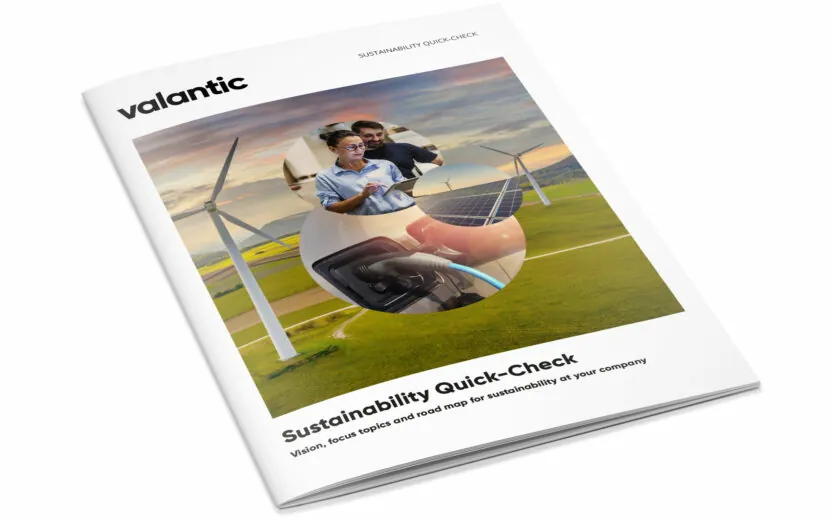
Quick-Check Sustainability
Sustainability consulting from valantic: With the Quick Check Sustainability, we show you the roadmap for sustainability in your company.

Sustainable procurement for a green economy
Sustainable procurement combines environmental, social and economic responsibility with efficiency and potential savings. With clear strategies, sustainability can be successfully embedded in procurement.

Marco Fuhr
Managing Consultant
valantic

Jan Laakmann
Partner
valantic

Dr. Jens Lehnen
Principal
valantic

Sebastian Badaghlou
Partner & Managing Director
valantic