Highlight

Successful together – our valantic Team.
Meet the people who bring passion and accountability to driving success at valantic.
Get to know usSystem consulting with foresight
“Powerful simplicity” was just one of many criteria Rodenstock defined for its new marketing automation system. The manufacturer of high-quality biometric lenses was looking for a scalable solution to replace its legacy B2B platform. In collaboration with internal stakeholders, valantic created a solid foundation for decision-making. Strategic, functional, technical, and commercial factors were all considered in the evaluation process.

Analysis and pre-selection of potential marketing automation systems as part of objective and solution-agnostic consulting
Detailed technology evaluation to determine the best-fit system
Cost comparison and total cost of ownership (TCO) projection for three shortlisted solutions
Knowledge-sharing workshops to define strategic guidelines and refine functional requirements
Presentation of results with clear recommendations for system selection and structured migration
Optimization of marketing processes through automation and identification of technical gaps
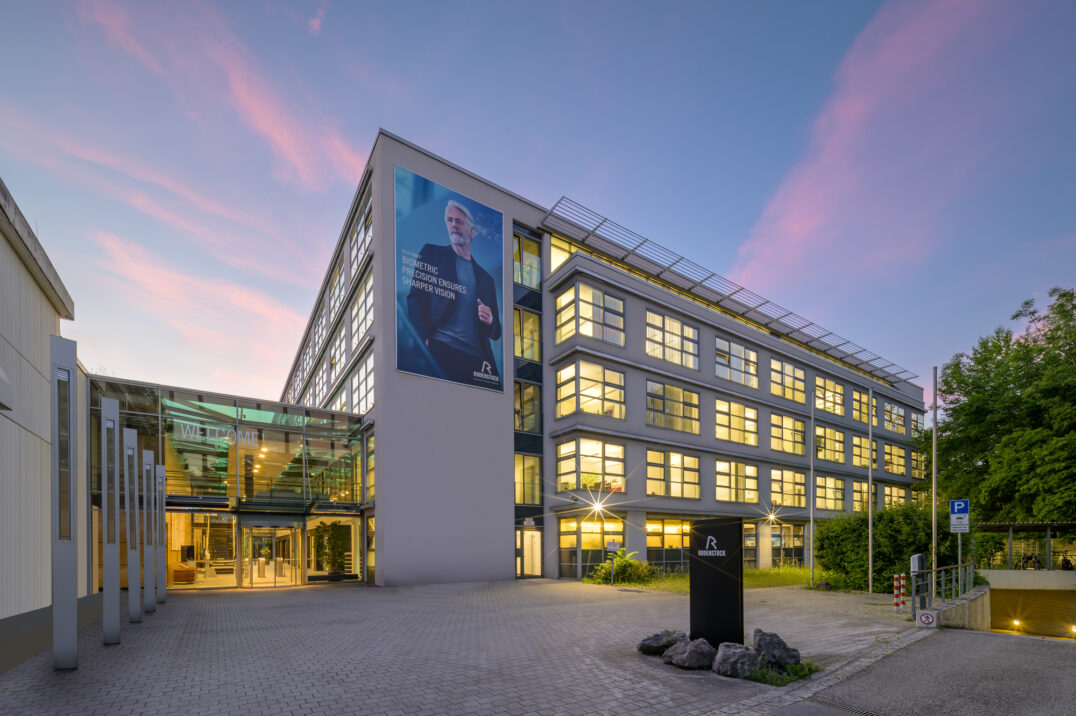
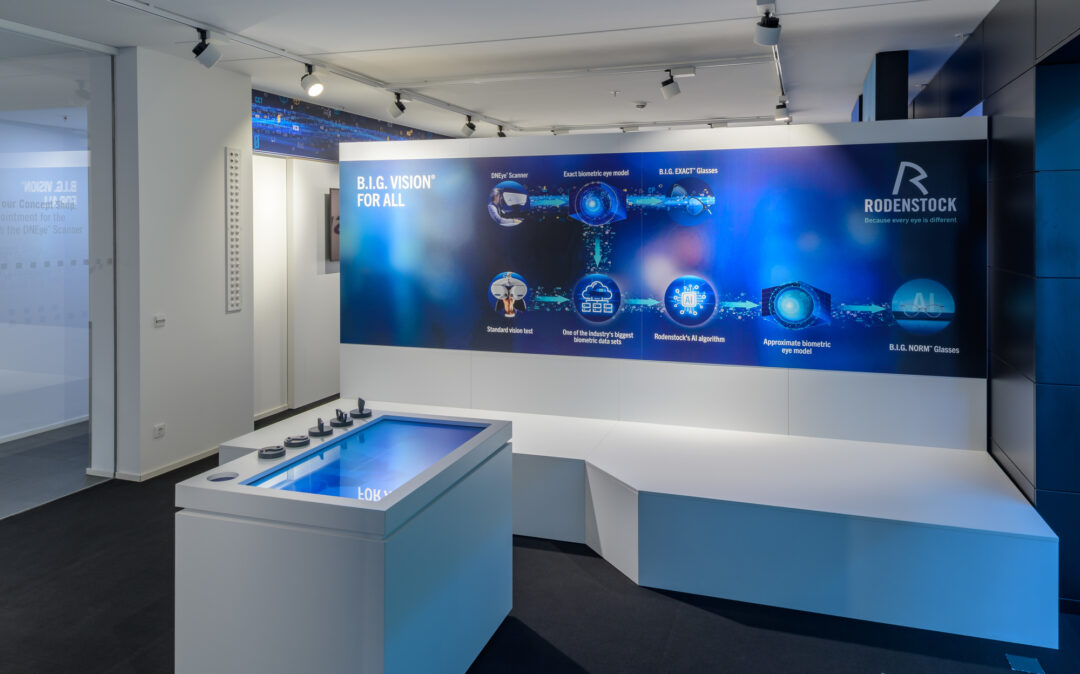
Rodenstock is a global innovation leader in vision care and a manufacturer of high-quality biometric lenses. It is known for German engineering at its finest. With a history of groundbreaking innovations and market-leading technologies, Rodenstock stands for a new paradigm in personalized eyewear, embodied in its B.I.G. VISION® FOR ALL philosophy.
Rodenstock had to decide whether to renew the license for its existing marketing system, which had been in use in around ten markets but is entering its end-of-life phase and will no longer be supported after 2026. To prepare for the future, a new marketing automation solution was needed –– one that could meet the company’s complex requirements in the long term.
Key criteria included a strong technological and organizational fit. Since Rodenstock uses SAP systems, the new solution had to integrate seamlessly into the SAP ecosystem. Potential synergies for other components within the CX landscape were also taken into account.
Given Rodenstock’s international footprint, the new cloud-based system needed to be deployable globally and across departments. Scalability and modularity were key to meeting varying industry and regional needs. At the same time, the solution was expected to offer most desired features out-of-the-box, while expanding on the legacy system’s functionality with innovative tools and automation.
The solution also had to focus on B2B, with the flexibility to support B2C use cases in the future. High user-friendliness for all user groups in marketing and IT was essential to reduce onboarding time, minimize operational effort, and lower barriers to adoption.
valantic was brought in as a strategic advisor and solution-agnostic partner to assess and guide the selection of the marketing automation system. Through multiple workshops, the team worked with Rodenstock to develop a solid foundation for further analysis, following an integrated approach that combined strategic, technical, organizational, and commercial dimensions.
During the kickoff workshop, the focus went beyond mere introductions. The team collaboratively developed a roadmap and defined strategic guardrails to ensure a unified understanding of project requirements, clarify milestones and timelines, and establish working methods. This included analyzing the current system landscape, sales model requirements, stakeholder matrix, and organizational KPIs.
The team identified technical and functional requirements for the new system by thoroughly examining Rodenstock’s use cases and marketing processes. During the workshop, these requirements were refined, weighted, and prioritized. The outcomes became a cornerstone for the system selection process.
To validate integration capabilities and requirements, the team analyzed the existing software environment, including available licenses and interfaces.
The suitability of systems was determined based on Rodenstock’s strategy, goals, and a preliminary requirements catalog. After an initial market review, a longlist of seven vendors that met the core criteria and fit into the process landscape was compiled:
To prepare for in-depth evaluation, interviews were conducted with various stakeholder groups at Rodenstock. Based on their input, the team formulated specific technology requirements, which were then validated by Rodenstock’s IT and marketing leads. The result was a shortlist of three vendors: HubSpot, Microsoft, and Salesforce. Evaluation criteria included:
As part of the multi-stage evaluation, the three preferred solutions were compared in terms of cost. Experts developed a detailed feature-based cost breakdown and projected total cost of ownership (TCO) over five years. In addition to license fees researched by Rodenstock, the TCO forecast included implementation and operational efforts across four release phases.
By comparing the evaluated systems and summarizing their functional and technical pros and cons in factsheets, a clear and comprehensive picture was created to support decision-making. Different architecture scenarios (standard vs. custom solution, best-of-breed vs. best-of-suite) were taken into account, along with insights into TCO metrics and existing system capabilities, to assess how well each solution aligned with organizational processes.

Sina Pfeifer
Marketing Automation Manager at Rodenstock
”From kickoff to a well-founded decision basis within just one month – the key to this rapid and comprehensive success was the close collaboration between all project participants. The entire project team, consisting of stakeholders, business units, and valantic consultants, formed a unified team from the very beginning, working together as equals toward a shared goal: to find a future-ready marketing automation solution that meets the majority of Rodenstock's requirements.“
Best-of-Breed vs. Best-of-Suite
Given Rodenstock’s emphasis on technological and organizational fit, a hybrid solution that combines best-of-breed advantages with suite scalability emerged as ideal. All three shortlisted candidates supported best-of-breed implementations and also offered long-term suite expansion potential.
Preferred marketing automation solution
In the detailed evaluation, Salesforce and Microsoft were neck-and-neck with HubSpot. Ultimately, Salesforce’s lower implementation effort and stronger TCO outlook tipped the scales for Rodenstock’s specific requirements. Its scalability aligned best with the company’s international rollout plans and strategic objectives.
SAP CPI middleware optimization
To ensure a smooth transition, continued use of SAP CPI middleware was chosen as the architectural foundation.
License extension for legacy solution
To maintain a structured and well-planned migration, a one-year license extension was recommended. A three-year extension was not advisable, as key required functionality was missing and system development had ceased, limiting future release value.
Go-to-market in 4 release phases
The project team devised a roadmap with four release phases. Initially, all existing use cases were migrated, followed by successive inclusion of new features such as triggered campaigns, automated event and registration follow‑ups, AI-based functionalities, mobile push and SMS notifications via third-party providers, and detailed lead-management analytics.

Klaus Pöhn
Senior Manager IT, CRM & EDI at Rodenstock
”It was especially important for us to help establish a future-proof, seamlessly integrated solution within our CRM and CX landscape – one that provides our international users with exactly the cloud-standard functionalities they need. All of this was done with a consciously agnostic approach to technology selection. The trust placed in the project team by the users of the legacy system was fully justified with a convincing result.“
Improved customer experience (CX) through enhanced system functionality
Relief for the marketing team through automation of key processes and streamlined setup of differentiated B2B marketing campaigns
Tailored features based on the company’s individual requirements and use cases
Future readiness thanks to the system’s scalability, agility, and “powerful simplicity”
Go-to-market within just three months across nine regions enabled by efficient, seamless integration into the IT landscape
Verbesserung der Kundenerfahrung durch Erweiterung des Funktionsumfangs
Entlastung des Fachbereichs durch Automatisierung zentraler Marketingprozesse und Optimierung interner Maßnahmen zum Setup von differenzierten B2B-Marketing-Kampagnen
Maßgeschneiderte Funktionen entsprechend den individuellen Anforderungen und Use Cases des Unternehmens
Zukunftsfähigkeit durch Skalierbarkeit, Agilität und „Powerful simplicity“ des Systems
Go-to-Market innerhalb von 3 Monaten in 9 Regionen durch die effiziente, nahtlose Integration in die IT-Landschaft

Tina Bergner
Senior Manager Marketing Operations at Rodenstock
”Already during the kickoff with valantic, it became clear how ambitious and focused our entire team was in approaching this project. We knew we were attempting to complete a marathon at sprint speed. And that’s exactly what we achieved together — marketing and IT working side by side: After just three months, our new marketing solution went live in nine regions. Our commitment, team spirit, and trust were just as crucial to success as the comprehensive technological, methodological, and business expertise of our partner valantic.“
Following the final presentation and system selection in April 2024, valantic’s recommendations were implemented within just a few weeks. The strong collaboration across all business units and stakeholders – from business to IT to marketing – continued seamlessly during the implementation of the chosen marketing automation solution. After the system migration, including all necessary configurations, integrations, and testing, valantic continues to support Rodenstock in the solution’s ongoing development.