Highlight

Successful together – our valantic Team.
Meet the people who bring passion and accountability to driving success at valantic.
Get to know usMarch 18, 2024

The world of fashion is constantly evolving and encompasses a variety of styles and trends. We often define ourselves through our clothes and look for something special and unique. But nowadays there are countless good brands, and an appealing design alone is no longer enough. Customers want brands that tell a story they appreciate and can identify with.
In line with this trend, customer loyalty in fashion retail is becoming increasingly important for sustainable success. It’s not just about the next “must-have” but about a relationship that lasts even after the purchase is completed.
In this first of four blog posts, we’ll explain the basics of customer loyalty in fashion retail and the specific challenges involved. Expand your knowledge of the topic, as we will be looking at it in more detail in the next posts.
The digital transformation has redefined expectations in terms of customer loyalty. It is no longer just about the option to collect points but about creating values and experiences that appeal to customers emotionally. The shift from transactional to emotional loyalty has far-reaching implications for customer relationships in retail. Customers are looking for brands that share their values and make them experience a sense of belonging.
The challenge for fashion retailers now is to recognize and strengthen these emotional connections by offering consistent and personalized experiences across all channels.
A personalized customer experience has proven to be a key competitive differentiator. However, creating such an experience requires a deep understanding of customer needs and extends across all touchpoints to establish lasting customer loyalty.
Personalization means knowing customers intimately, understanding their preferences and responding to their needs – be it through bespoke offers, tailored communication, or personalized services. Fashion retailers that are able to offer this level of personalization can achieve stronger customer loyalty and higher customer satisfaction.

Authenticity, strong values and flexibility are key components of designing contemporary programs that evolve with customers’ needs. Modern loyalty programs need to go beyond traditional incentive systems and offer real added value. They should appeal to customers on a more personal level and provide experiences that they consider meaningful. This can be done through exclusive access, personalized experiences or the opportunity to co-create products or services.
A loyalty program is not always effective. It’s critical to recognize the signs that an overhaul is due and take the necessary steps to reinvigorate customer engagement. A decline in participation or a low rewards redemption rate can be indicators that a program is no longer meeting customer expectations. An overhaul can range from minor adjustments to a complete redesign, depending on how customers respond to the existing program. This often involves “replatforming”, changing the technological platform, and “relaunching”, redesigning and reintroducing the program. Both measures aim to revitalize customer engagement effectively.
The development of a successful loyalty program requires strategic considerations right from the start. The main goal is not only to reward customers but also to retain them in the long term through targeted measures and creative incentives. Active customer participation in the brand experience is crucial to strengthen customer loyalty through increased engagement. This can be achieved through interactive marketing campaigns, personalized content or exclusive events, for example. The aim is to build an emotional connection to the brand that goes beyond purely transactional relationships. However, data analysis is just as important to understand the preferences and behavior of customers to create personalized offers based on them.
Find out more about the ideal strategy in the next blog post of our four-part series on customer loyalty in fashion retail.
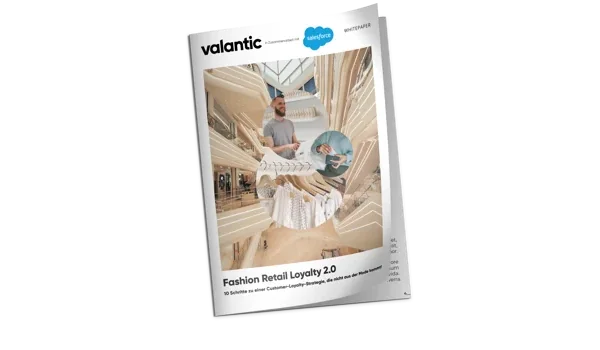
Expand your expertise with our whitepaper!
Are you looking for further information and in-depth analyses on the topic of customer loyalty in fashion retail? Then take the opportunity to download our detailed whitepaper!

Customer Experience October 8, 2026
Interview: From PIM to Data Spine – How companies prepare their data for AI
AI is changing the requirements for data, governance, and processes. Where should companies start, and what skills do they need? In this interview, Dietmar Rietsch, CEO of Pimcore, and Timo Huguet of valantic discuss the importance of clean data, the concept of the “Data Spine,” and the changing role of humans in the age of agentic AI.
Interview: From PIM to Data Spine – How companies prepare their data for AI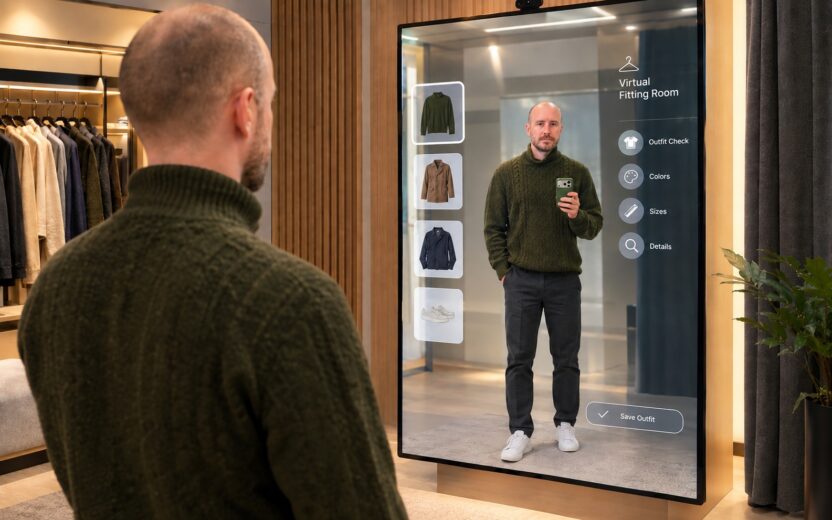

Customer Experience September 18, 2026
From webshop to virtual try-on: how AI is making its way into retail stores
Digital interfaces such as smart mirrors turn AI in the store into a tangible business case. What potential does this hold for the customer experience and in-store personalization? Matthias Vollmer explains how the retail industry can combine the best of both worlds and turn physical touchpoints into an intelligent part of the omnichannel journey.
From webshop to virtual try-on: how AI is making its way into retail stores
Digital Marketing September 3, 2026
ChatGPT Ads: a new touchpoint in the customer journey
ChatGPT Ads bring advertising to a new stage of the customer journey. We explain how the new ad format works, where its strengths lie, and what role it could play alongside Google Ads, paid social, and organic AI visibility.
ChatGPT Ads: a new touchpoint in the customer journeyDon't miss a thing.
Subscribe to our latest blog articles.